Anyone who has been reading some of my most recent articles knows just how excited I am about the upcoming Legend of Zelda: Ocarina of Time remake, as it has made up the bulk of my writing lately. The original is, without a doubt, one of my all-time favorite video games from one of my favorite franchises, so no matter which direction Nintendo was going to go with the remake, it was pretty much always set in stone that I would be playing it. However, regardless of how hyped I am for the Ocarina of Time remake, I have been on the fence about how faithful it is. Mind you, I'm not on the fence in the sense that I'm unsure whether I'm going to play it and love the heck out of it, because I absolutely will. Rather, I'm on the fence about whether its conservative approach is actually the best thing for such a beloved classic that might have otherwise doubled as a way to get modern players invested in one of the greatest games ever made.
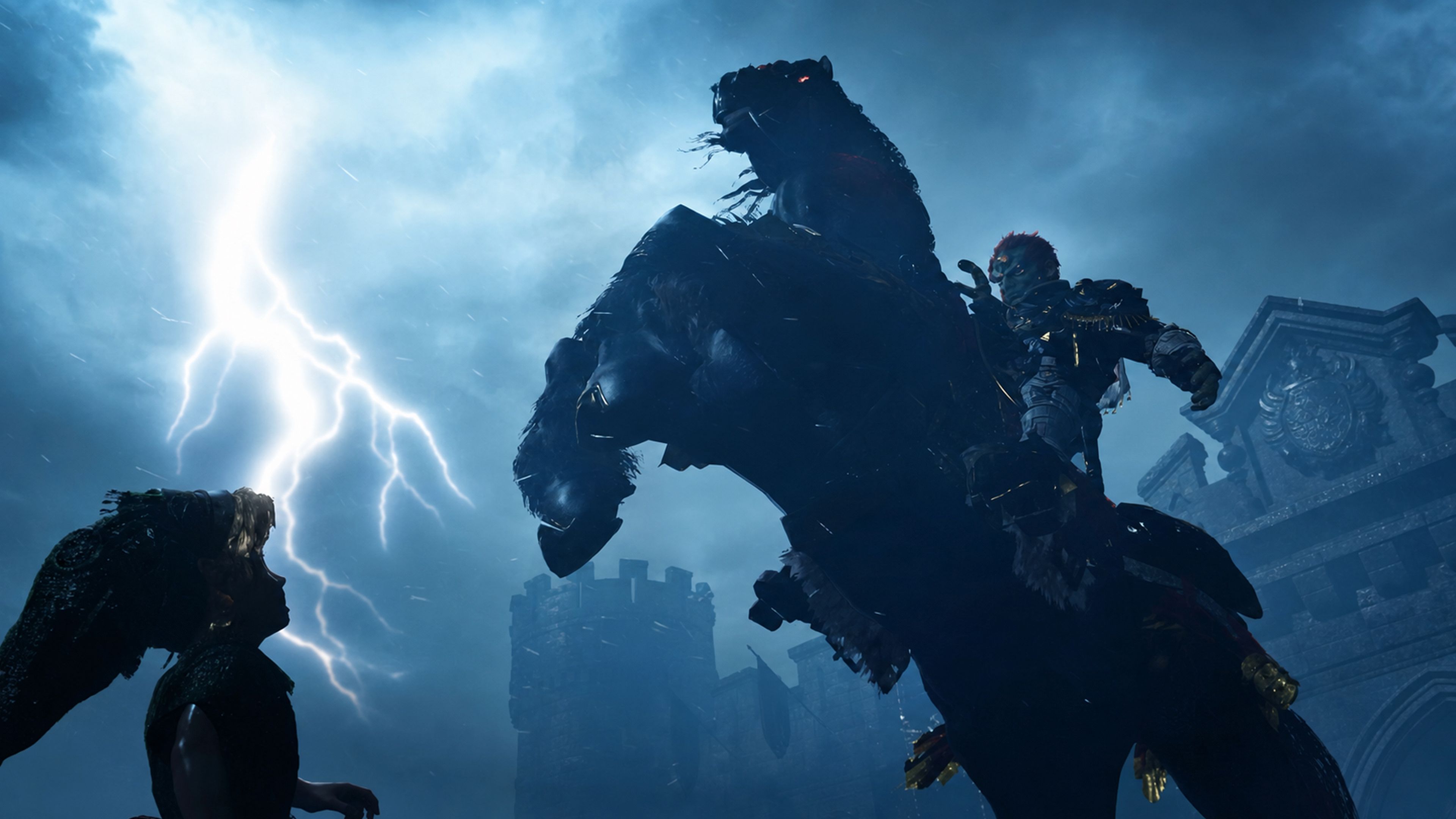
I know the debate is real. Some players are more than happy with how faithful the Ocarina of Time remake appears to be to the original game, while others were expecting a bit more from it. I'll be up front and say that I honestly don't care because I'm going to play it anyway. My thoughts on it really are just thoughts that haven't encroached on my desire to play it. I've simply been considering both sides. And now, after learning that Nintendo canceled a Ubisoft Zelda game that would have centered on Ganondorf, the Ocarina of Time remake is beginning to look even more conservative than it already did. Considering the fact that a Ganondorf-led Zelda game would have been the biggest break in tradition for the series and the Ocarina of Time remake is seemingly sticking as close to tradition as possible, it's interesting to see just how differently Nintendo appears to treat experimentation with Zelda depending on which part of the franchise is being touched.


What's interesting about all of this is that Ubisoft's canceled Ganondorf game wouldn't have been the first time Nintendo has experimented with Zelda in a radical way. The Legend of Zelda: Echoes of Wisdom, for example, saw the titular princess of Hyrule herself taking the lead for the first time as the main protagonist in a Zelda game, complete with unique abilities the series had never seen before. Of course, Nintendo has always experimented with Zelda, introducing new versions of Hyrule, unprecedented approaches to gameplay, and plenty of new characters to boot. But going beyond the standard formula that sees players controlling Link as the main protagonist and playable hero is something it has rarely done.
کۆنسۆڵەکان بە ڕیزبەندی دروست دابنێ.
کۆنسۆڵە هەڵبژێردراوەکان لە نزمترینەوە بۆ بەرزترین ڕێکبخە.
Now, one could argue that putting Princess Zelda in front isn't all that radical, since she is, after all, the series' namesake. There's also the fact that she has been at the heart of nearly every story the franchise has ever told, and she has always been positioned as someone who fights alongside Link in his quest to save Hyrule. However, considering Echoes of Wisdom was still something the series had never done before, that alone makes it at least somewhat radical.

Even so, giving Ganondorf, The Legend of Zelda's iconic villain, center stage rather than Link or Zelda would have been an enormous break in tradition, arguably more so than putting Zelda in that spot. Sure, the canceled Ganondorf game could have focused on his backstory in a way no Zelda game before it had, and it might have even made some of the longest-standing fans a bit more sympathetic towards him. But this would have been such a detour from anything the series has done before because it presumably would have made the villain, whom players have spent decades defeating time and time again, the main playable character. That is about as radical as it gets, honestly.
But that's why I can't help but bring up the Ocarina of Time remake. When considering what Nintendo might have done alongside Ubisoft in putting an entirely different spin on Zelda, it's difficult not to look at the Ocarina of Time remake and notice just how much restraint Nintendo is showing with it. This is a company that was apparently willing to entertain the idea of putting players in the shoes of Ganondorf, yet when it came time to revisit one of the most important games in the franchise, the approach seems to have been much more about preserving what was already there than finding out what else it could become.
سەرچاوەی فەرمی بە زمانی ئینگلیزی: https://gamerant.com/zelda-ocarina-of-time-remake-ubisoft-ganondorf-game-faithfulness/