

Ever since Exodus was first revealed, time dilation has been one of the biggest things separating it from pretty much every other sci-fi RPG out there. The basic idea is that when protagonist Jun Aslan leaves home on certain missions, what might feel like a relatively short trip to him could end up lasting years for everyone he left behind. By the time he returns, people may have gotten older, relationships may have changed, and some of the problems he left behind might have gotten much worse without him there to do anything about them. It's a huge part of how Exodus plans to handle choice and consequence, but apparently, time dilation wasn't always going to work the way it does now.
I recently spoke with Exodus Game Director Chris King after going hands on with the upcoming RPG, and since time dilation wasn't something I got to experience in the demo, I spent quite a bit of our conversation picking his brain about how it actually works. During that discussion, King revealed that Archetype Entertainment once considered giving players far more control over time dilation, even going as far as discussing a calendar system that players would have to manage throughout the game. Ultimately, however, the team decided time dilation would be more effective if players couldn't control it nearly as much.

One of the biggest questions I had about time dilation was whether players might ever want to intentionally make time pass. There are already plenty of games where moving the clock forward becomes part of the strategy, so if I'm waiting for something to happen back home in Exodus, for instance, it would make sense that I might want to find some way to speed that process along. As it turns out, according to King, Archetype discussed giving players something along those lines during development, but the idea eventually became much bigger than what the team actually wanted time dilation to be:
We sort of debated what to do with time dilation and, like, do you make it a player mechanic? At one point, we'd even riffed on things like having a calendar system and you're micromanaging it all the time. But ultimately, we sort of settled on, we wanted to have these special moments in the game where it's really exaggerated and it's kind of like, when it happens, it's a thing.
I'm actually glad Archetype landed where it did with that, because giving players that much control over time dilation undoubtedly would have taken away a lot of what makes the concept so interesting in the first place. If I'm constantly watching a calendar and deciding when I want years to pass, then rather than being something that happens to me, time dilation effectively becomes something I can manipulate and manage, thereby weakening its impact. There's nothing inherently wrong with that, but it would make something that is supposed to have enormous consequences feel a lot more ordinary after I've essentially learned how to control it.
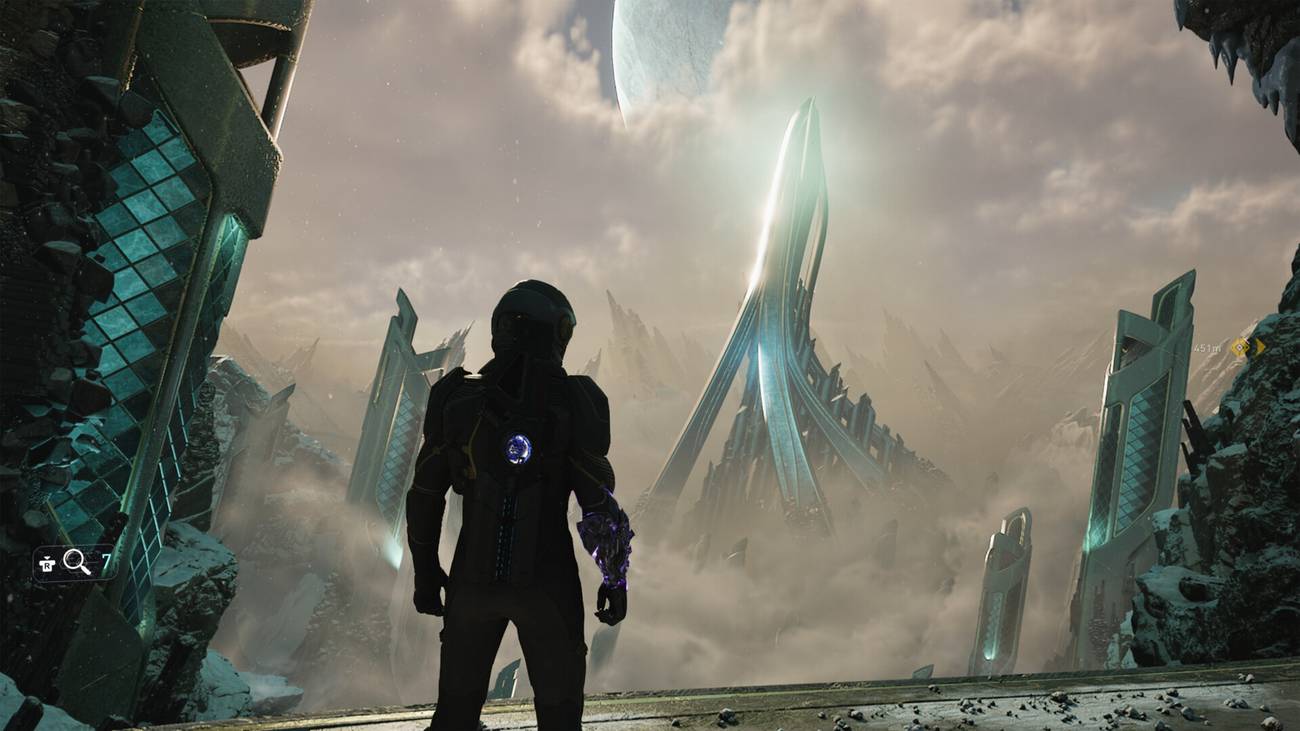
Instead, Exodus is treating these moments as events, and King made that very clear when I asked whether leaving on one of these missions is supposed to feel almost like crossing a point of no return. According to him, that's absolutely part of the idea:
Yeah, that's definitely part of it. It's like an event when you go on an Exodus mission specifically and you sort of have to prepare for it. It's meant to be a really big moment.
That preparation is important because leaving doesn't mean everything back home just sits around and waits for Jun to return like the worlds in most other RPGs might. King told me there may be side quests available before an Exodus that simply aren't there anymore when you come back because the person who needed your help has since moved on or done something else. The game will apparently give you a nudge before leaving so you know you might want to finish some things first, but after that, you're making the decision to go knowing there could be consequences waiting for you when you return.


سەرچاوەی فەرمی بە زمانی ئینگلیزی: https://gamerant.com/exodus-time-dilation-calendar-system-player-control/