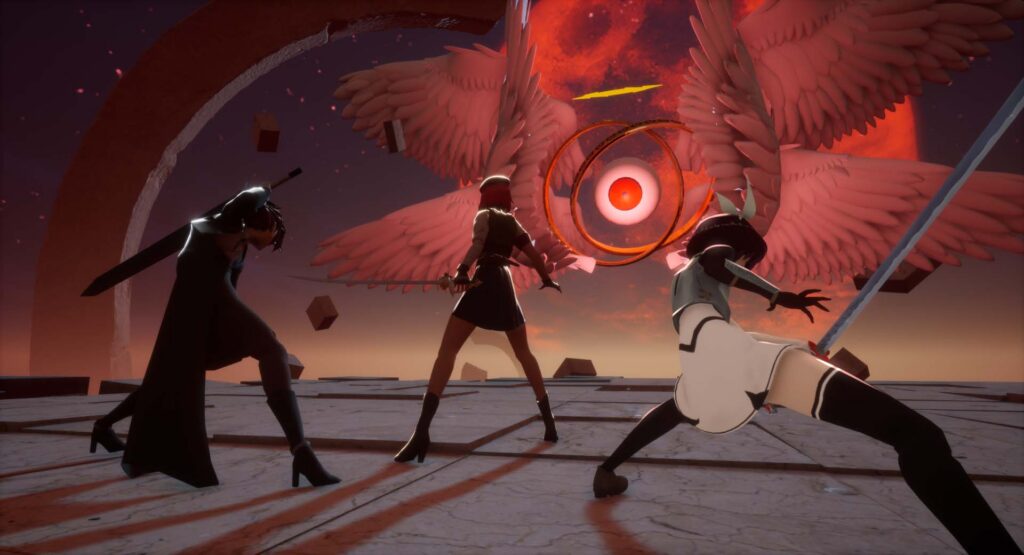
Kernel Hearts is an action RPG about magical girls fighting angels to save the world, but it’s so much more than a punchy soundbite can explain. The game and its characters are a love letter to two cultures that have shaped the lives of the developers. Japanese culture inspired the art, the story, even the language of the game itself; but the culture of Argentina, the home of Ephemera Games, permeates through everything, down to Fernet drinking yerba mate during one of her idles.
The game itself takes place in a sort of post-apocalyptic Patagonia, painting the story of a world that had collapsed and is now trying to rebuild. It’s a theme that is familiar in many video games, but not necessarily a setting. The Argentine team at Ephemera Games is uniquely poised to tell this familiar story in a new way. And they do this by combining elements of their favorite games into something new entirely.
Kernel Hearts was born in a game jam in 2020, a rough idea of a world that would eventually become Babel, but the game’s style was developed over years. Akira, the Game Director of Kernel Hearts, says that long action RPGs and JRPGs have always held a special place in his heart; but like many of us, his ability to get absolutely engrossed in those games in the way that we love has changed. Not because of the games themselves, but because the time we have to play as we grow older changes.
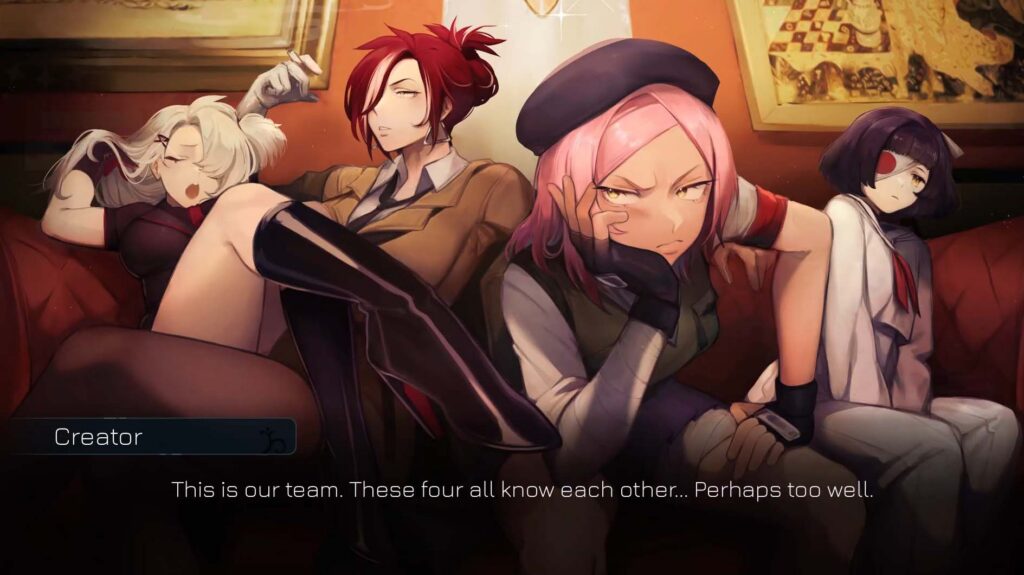
So, the team thought: What if we could combine the epic stories we love with the more bite-sized run times of a roguelike? It was this combination of elements that captured our attention at Whitethorn Games: a story-driven game that could be enjoyed in small chunks, incorporating a style of gameplay that we had yet to see in our catalog? We were so on board.
The characters also make up a vital part of both the story and the gameplay. In any game with an ensemble cast of characters, it’s important to balance abilities and personalities to make a cohesive group for character interactions in and out of combat. The four girls of the M.A.H.O.U unit do just that, and it’s easy to see even in the trailer.
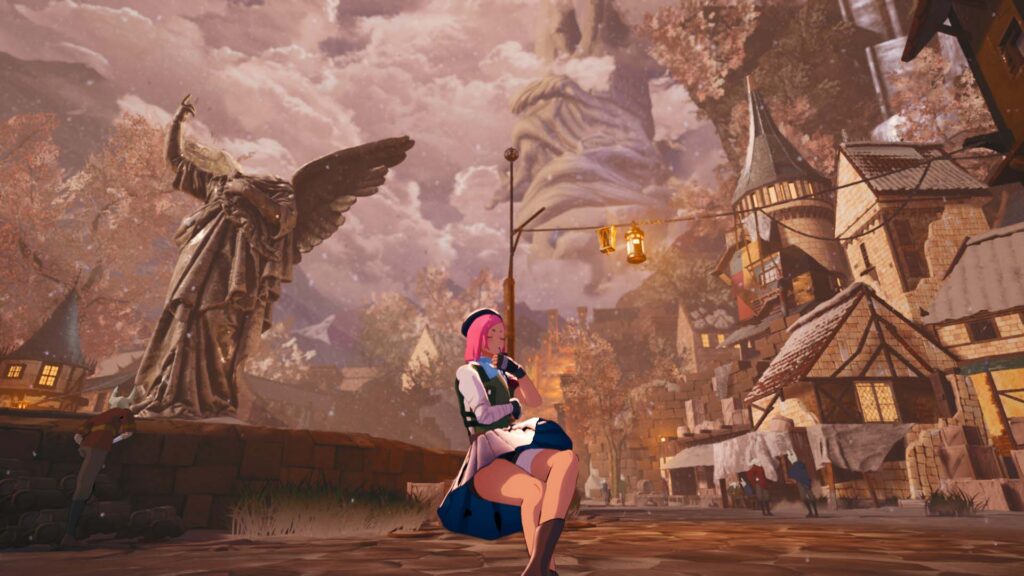
Akira defined one of the guiding ideas that lead to the design of the four main characters by stating: “A character shouldn’t just have a different weapon. You should be able to watch a few seconds of gameplay and immediately understand something about their personality. Their animations, silhouettes, magic, movement, and even the rhythm of their attacks all have to tell you who that person is.”
What if we could combine the epic stories we love with the more bite-sized run times of a roguelike?
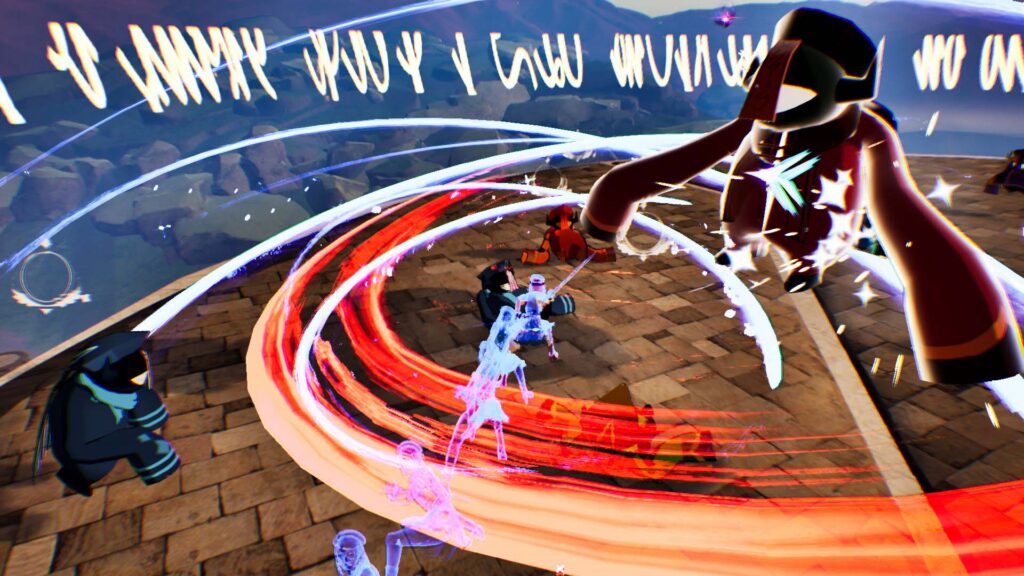
That’s how you end up with the differing characters in Kernel Hearts. Fernet fights with swords and spirits which allows her to be the most versatile member of the team. Spika fights up-close with her katana with very clean and disciplined attacks that reflect her disciplined personality. Laika is the most physically impressive of the team, and her massive sword and heavy attacks follow suit. Finally, Dolce fights in a way that you might not expect in a post-apocalyptic setting: incorporating performance and dance into her fighting style, a callback to some of the more familiar magical girls in pop culture.

سەرچاوەی فەرمی بە زمانی ئینگلیزی: https://news.xbox.com/en-us/2026/09/17/character-development-and-storytelling-in-kernel-hearts/