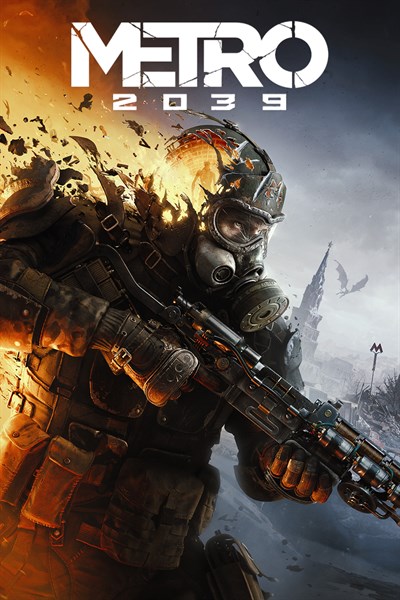
Last week, I was able to play 2 hours from the middle of METRO 2039, the fourth and upcoming METRO game headed to XBOX Series X|S and XBOX on PC in February 2027. Building on the rich world, crunchy gameplay, and bespoke engine tech that 4A has built up over more than 15 years with the series, METRO 2039 will be a perfect opportunity to finally jump into a series I’ve long meant to check out.
Starting with METRO 2033 in 2010 and based on the novels of exiled Russian dissident Dmitry Glukhovsky, the METRO games are narrative-heavy first-person shooters about the people surviving in the Moscow Metro system following a cataclysmic nuclear war devastating and irradiating the surface. It’s adjacent to Fallout in the broadest strokes, but substituting kitschy 50s futurism and Americana for grimdark post-Soviet realism. 4A was founded by core developers from S.T.A.L.K.E.R.: Shadow of Chernobyl, so it’s got a strong lineage from that famously tough and simulationist series as well, which I’ve also long meant to try, having read and enjoyed “Roadside Picnic” and the surreal horror of the “zone fiction” subgenre it inspired.
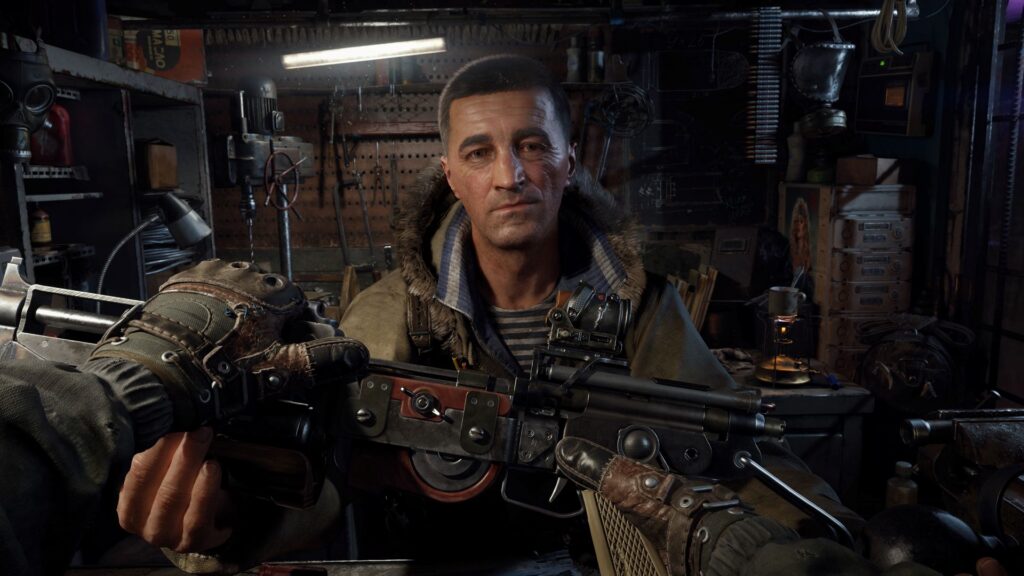
While I’m sure that familiarity with the previous games and books will be rewarded (Hunter, the fascist dictator who’s taken over the Metro that our protagonist is seeking to depose, is a known character) it’s hardly necessary, since the series is built on such a strong and familiar high concept (hardscrabble post-apocalyptic survivors) with its own distinct flavor and setting. My session was light on story and heavy on exploration (and anxiety). It started in the office of an administrator in a Metro station settlement, asking me to help him deal with a local bandit problem. As the bandit leader Kaban is a known henchman of Fuhrer Hunter, we agree that it’s of mutual interest to track him down.
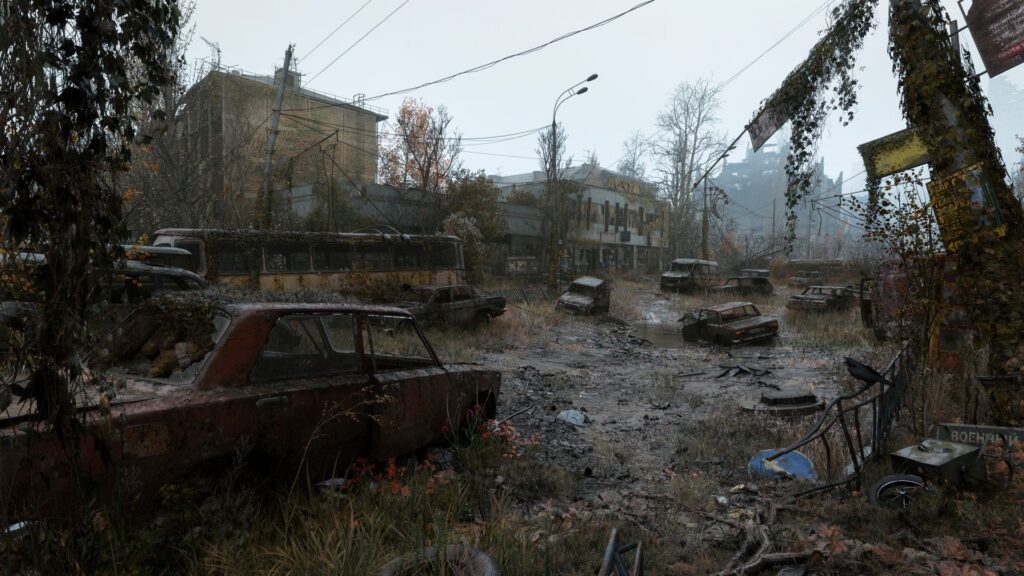
I walked out through the bustling underground settlement, taking in the immense amount of thought and care that 4A have put into every environment. The tunnels are full of people working, talking, or hanging out. Children run around shooting imaginary guns at each other. Approach someone, and they might look up and say something to you. It all feels vibrant, specific, and lived-in – much more like an actual place than your average video game level. In the XBOX-hosted world premiere event earlier this year, the developers talked about their approach to environmental narrative design as “Frozen Stories,” emphasizing the care with which they place every single asset, always considering what specifically happened there previously. Immediately and consistently throughout my entire time with the demo, I felt and greatly admired this rigorous attention to detail.
Once I left the guarded Metro station out into the dangerous tunnels and surface, I learned that this focus on immersive verisimilitude applies not just to environmental design, but also the simulationist crunchiness of the gameplay and diegetic presentation of its systems. Accessing my inventory to craft bullets and gas mask filters meant setting down my backpack on the ground or crafting table and opening it up. The remaining time on my radiation filter is shown on a digital watch that I need to actively look at (or just rely on the menacing beeps when it gets close to the end). There is no crosshair, but a variety of different iron sights or optics that I could craft onto my guns. The map is on a physical folio that I pull up, flipping it over to see my current objectives handwritten on the other side. I save my game by marking an X in a logbook by the exit of the settlement. Whenever possible, gameplay-relevant information or player actions are represented concretely in the game’s world, minimizing reliance on UI.
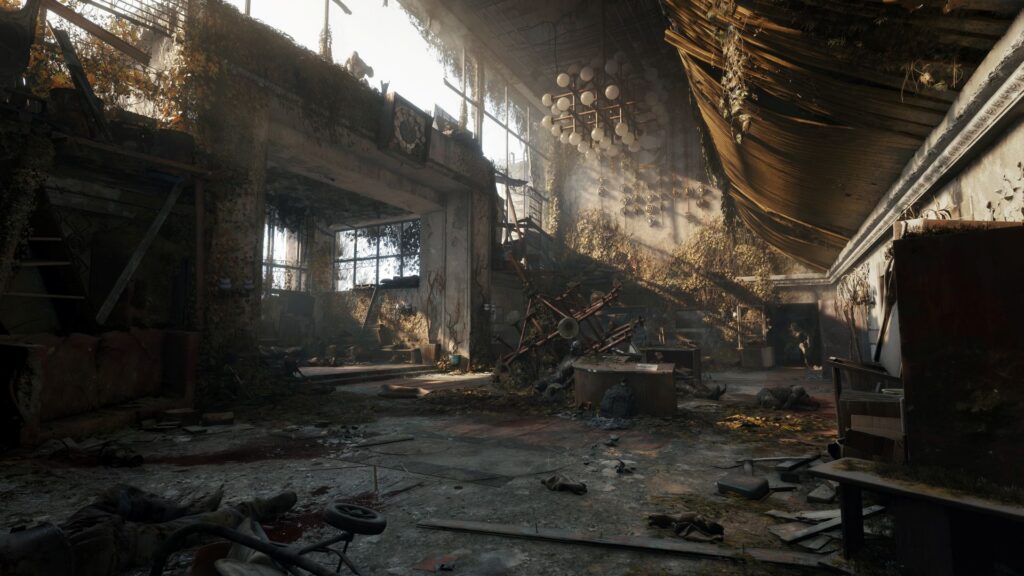
I could list these little grounded details for ages, like taking out a lighter to burn away cobwebs, or how striking a windowpane several times with the butt of my gun caused it to crack successively and then break on the third hit. Light was particularly important, with my flashlight being as necessary to see in certain areas as it was a liability for revealing my location at the same time. It all adds up to make the game feel exceptionally tactile, which isn’t just for show. The world of METRO 2039 felt dangerous and alive, and all those details enhancing my sense of physical presence also served to dial up my anxiety as I slowly picked my way through dark tunnels and overgrown urban ruins on the surface.
Crucially, this focus on minute tactility didn’t go so far as to feel needlessly fiddly. Crafting was streamlined into two main materials, metal and chemicals, which fed into standard items like ammo or filters, and then a special, rarer resource for weapon attachments. I was never scouring through closets and drawers, frustrated that I couldn’t find a particular gasket or whatever. Instead, I had to make discrete, impactful decisions about how to spend finite resources.
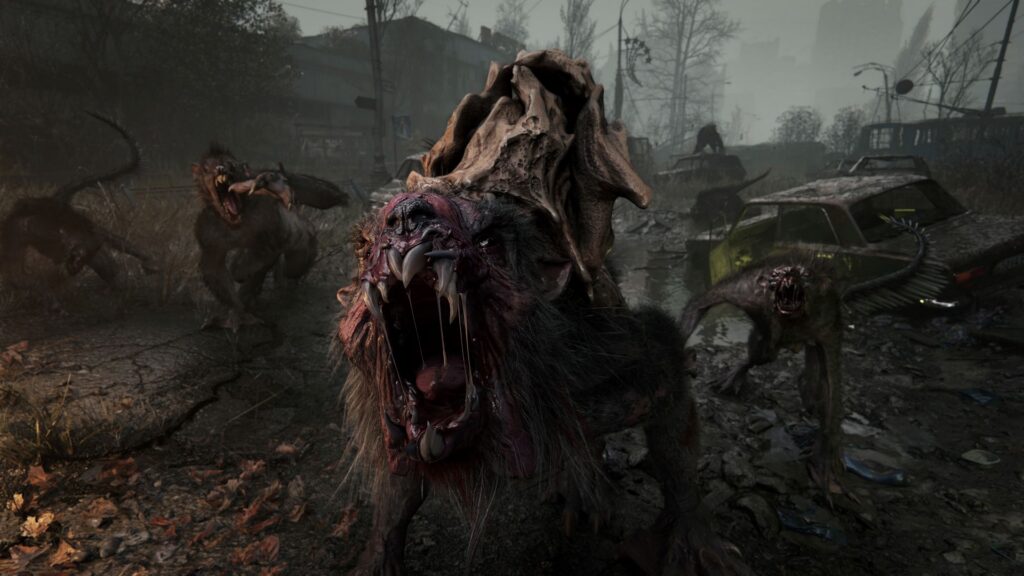
The demo presented a nice representative selection of encounters and experiences. When I first reached the surface, I had to cross a broad area toward the bandit hideout, which was stalked by horrible bear-sized moles (nosalises, a standard enemy for the series). After following my gamer instinct to kill monsters and getting quickly overwhelmed by the pack a few times, I learned that this is much more a game about avoiding conflict except when necessary. Suddenly I was in a frame of mind I recall from playing Sea of Thieves or Arc Raiders solo: like a prey animal on high alert for predators. It’s an electric mode of play that I’ve come to really value in games that feel appropriately dangerous, and it’s all the more impressive that METRO 2039 achieves it in a single-player context.
سەرچاوەی فەرمی بە زمانی ئینگلیزی: https://news.xbox.com/en-us/2026/08/26/metro-2039-preview/