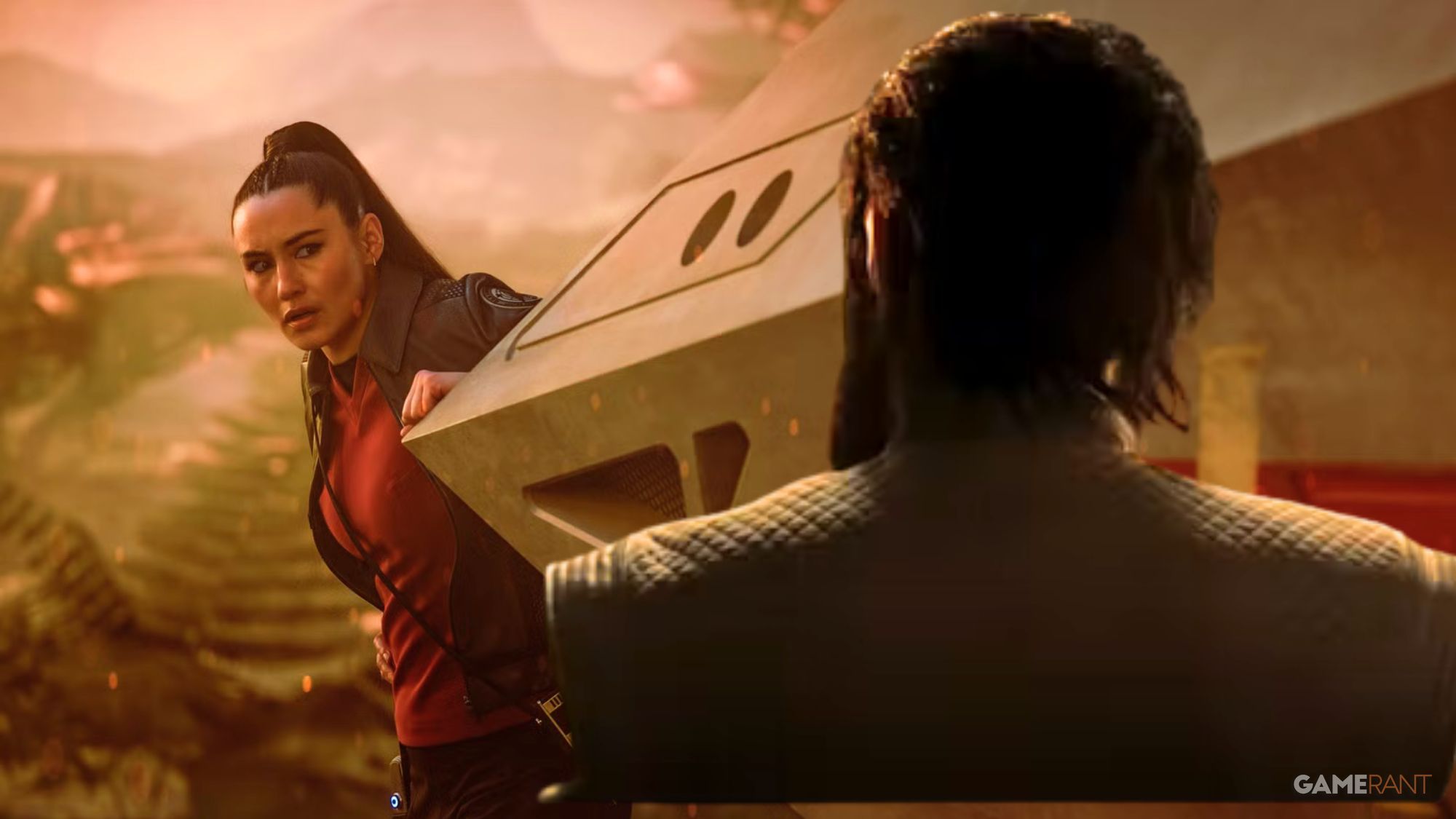
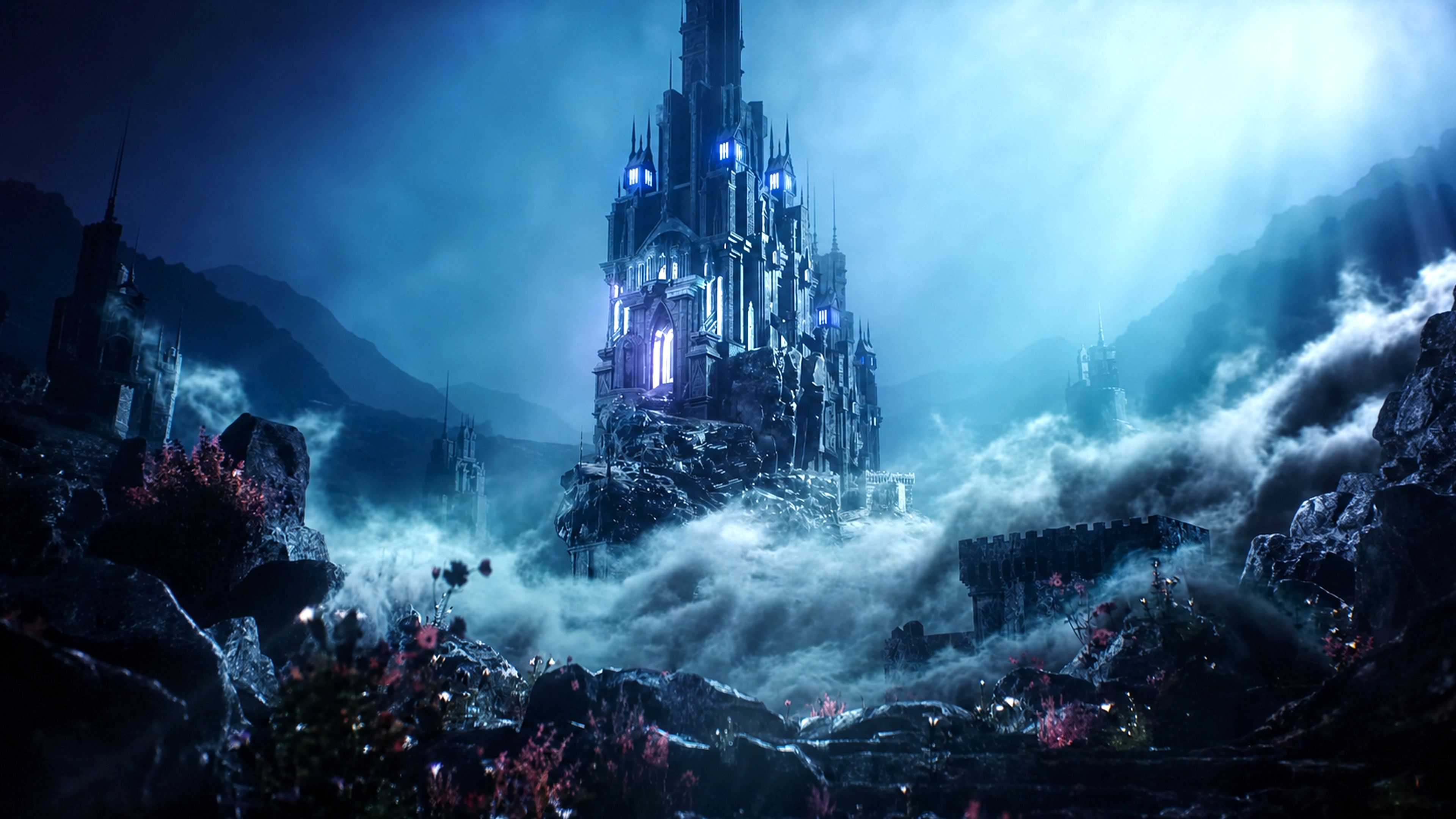
When it comes to dodging the handholding woes of the traditional open-world formula, Warlock: Dungeons & Dragons looks like it'll be taking a novel approach. Following the gameplay reveal at Gamescom Opening Night Live, Invoke Studios has told several outlets that the game will skip the waypoints that normally carry a player from one story beat to the next, instead expecting players to talk to villagers, watch for things out of place, and navigate the game themselves. Finding the next narrative or gameplay thread in Warlock is meant to be part of the experience, and that is pretty neat.
It's refreshing, too, given the open-world game is the genre most dependent on the map or mini-map marker. But right now—so far out from Warlock's not-yet-described 2027 release—what Invoke is describing is more of a clever trick, and tricks are either elegant or brittle depending on how much weight gets put on them. Taking the claim at face value is easy, but working out what has to be true for it to hold up across an entire game is, as I see it, a smarter (and more fun) option.


Following the gameplay reveal at Gamescom, Xbox Wire's hands-off preview relayed Invoke's promise that players will need to "gather your own clues, find your own way." That's a very traditionally styled, admirable goal, especially for an open-world game like Warlock. I'm still partly inclined to call it a trick right now, though, since the one example we have of this game's exploration goals also kind of undercuts them.
See, Xbox Wire's preview references bloody drag marks behind a conspicuously open door as gameplay proof of this, describing the moment as easy to miss by design. That's all well and good, but this example is also—very publicly—in the Gamescom footage, and I'd argue that most people wouldn't see it in such a complementary way. In the footage, Kaatri finds those marks moments after paying a beggar to tell her about the town; when he mentions a nearby cellar, he seems to mean within about ten feet—close enough that the trail is only just outside of the player's eyeline while the two of them are talking.

That's the thing about open-world handholding: ditching the waypoint is the easy part. Whatever fills the gap that's left is what matters, and the tried-and-true solution, especially for the open-world genre, is world-building that can be read and used in gameplay. That means sight lines and lighting that draw the eye to each destination, dialogue that conveys clear directions, or a log that tracks what information the player knows to rely on.
Warlock is clearly pursuing these things, but the extra design complexity they rely on is missing from the only example provided—and unfortunately, that's what really does make all the difference. It's why I don't want to plainly bash the quest marker—one of this genre's truest allies—because quest markers aren't bad outright; they solve one of gaming's most basic and tangible problems cheaply. A player who cannot find the next objective is a player who stops playing, after all.
Waypoints, compasses, and mini-map markers all create a similar trade-off, though—one that has really been affecting players. These elements all create a disengaging feeling, one where the environment becomes little more than the scenery one passes through on the way to the objective. To that point, turning the HUD off in games has become a common enough house rule that several studios ship the toggle as standard, but it's not quite the same, regardless; a world designed around the marker still lacks the underlying structure that makes something like Morrowind (and perhaps even a more action-oriented title like Warlock) work so well.
A player who cannot find the next objective is a player who stops playing, after all.
سەرچاوەی فەرمی بە زمانی ئینگلیزی: https://gamerant.com/warlock-dungeons-dragons-open-world-no-quest-markers/