
There are very few publishers who can claim to have had quite as prosperous a decade as Capcom. The company’s 10 best-selling games all launched within the past 10 years, a chain of good fortune that began with 2017’s Resident Evil 7. Capcom’s reimagining of gaming’s most important survival horror series became something of a formula for its wider success, and that template can be seen in action once again with this year’s Onimusha: Way of the Sword.
Aside from a couple of remasters and spin-off projects, Onimusha has lain dormant for 20 years. The entire original four-part series was released during the PS2 era, and so there have been nearly three whole console generations of progress since the last entry, 2006’s Dawn of Dreams. That project introduced what was, until Way of the Sword, Onimusha’s most “modern” idea: a fully 3D camera. For its earlier entries, Onimusha used fixed camera perspectives and pre-rendered backdrops, much like the original Resident Evils.
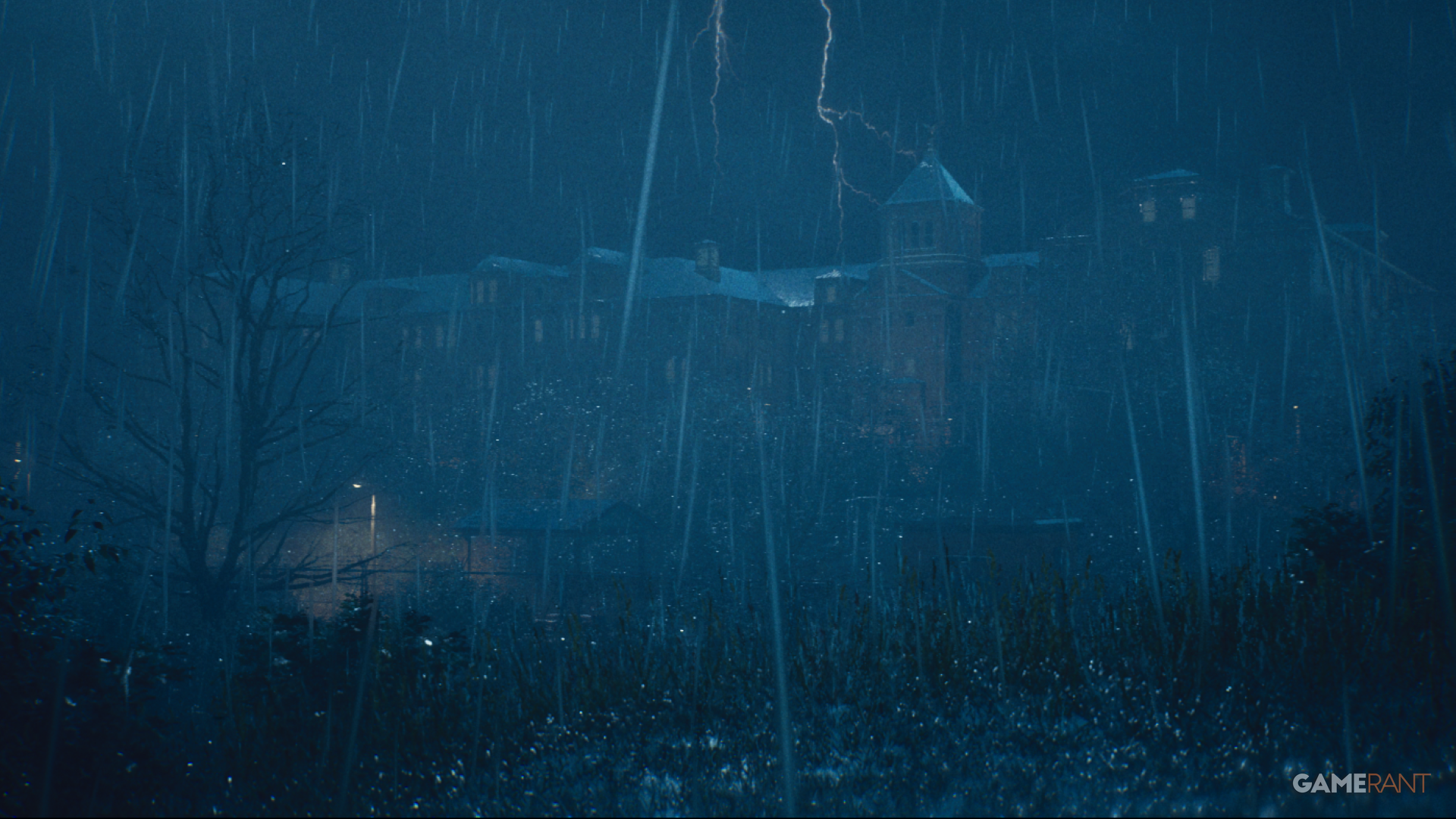
There's a good reason for that: Onimusha basically was Resident Evil. Set predominantly within the grounds of a single castle, 2001’s Onimusha: Warlords is a game of solving puzzles, unlocking doors, and eating herbs to stay alive. Shinji Mikami, co-creator of Resident Evil, even advised on the project. The series shed more of that survival horror blood with each successive entry, but when it comes to a brand new Onimusha for the 2020s, it would not have been surprising to see Capcom return to those roots and essentially clone its Resident Evil 2 remake but fill it with samurai and demons. Afterall, much of Resident Evil 7’s success is thanks to revitalising the past, the Baker Estate being a Southern Gothic variant of the Spencer Mansion.
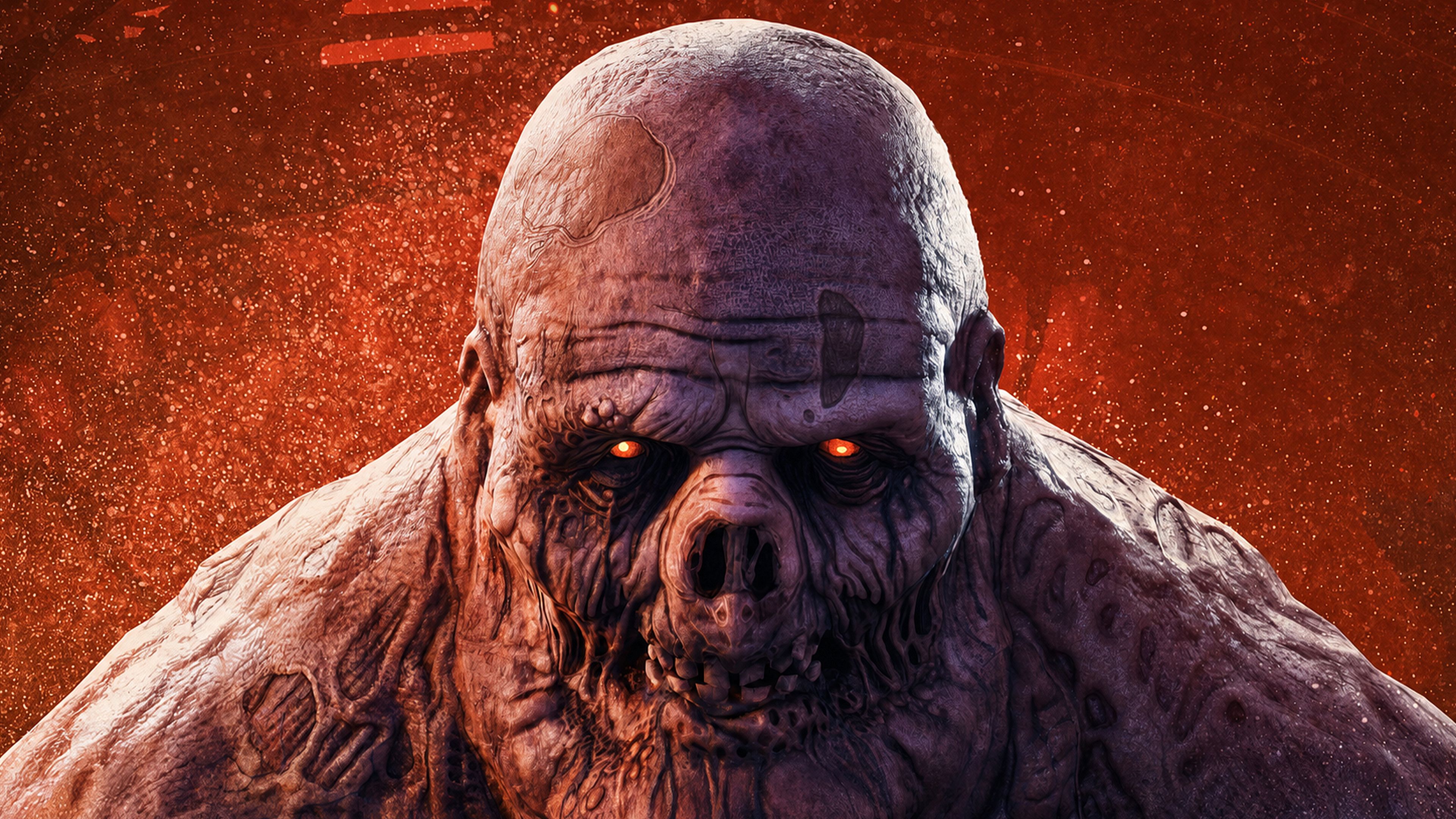
But Onimusha: Way of the Sword is not Resident Evil with samurai. If anything, it’s Capcom’s answer to Sony Santa Monica Studio’s modern God of War games. It features furious melee combat with an array of flashy abilities. You face monstrous bosses, some of which repeat multiple times. Treasures are hidden behind knotty environmental puzzles. Your protagonist, Miyamoto Musashi, squeezes through gaps, and is accompanied by a disembodied advisor who is much too talkative.
This is still Capcom’s formula in action, though, just a different side of it. Resident Evil 7’s success is as much about wider influences as it is refocusing on roots. To put Resident Evil back on track after the much-too-bombastic RE6, Capcom studied the horror landscape. It saw the success of projects like Frictional Games’ utterly terrifying Amnesia: The Dark Descent, and how the limited vision enforced by a first-person perspective could create an oppressive atmosphere – an approach that turned the simple corridors of Hideo Kojima’s PT into a looping nightmare. Combined with the labyrinthine level design the company had perfected back in the 1990s, it would make for the ideal series reboot. Resident Evil 7 was born. A similar approach can be seen in Capcom's other landmark game of the decade – by adopting the open world format so popular in the West, Monster Hunter: World transformed a niche concern into Capcom’s best-selling game by over 10 million copies.
In Way of the Sword, you can see how Capcom has studied the success of God of War and similar modern action-adventure games in order to find a new identity for Onimusha. Those learnings are not just echoed in level design and individual features, but also in tone: Way of the Sword is surprisingly funny. Like Nathan Drake, Musashi adventures through Kyoto armed with a thousand one-liners. His face, modelled on legendary actor and Kurosawa collaborator, Toshiro Mifune, is incredibly expressive, often for comedic effect.
The original games were campy, but more so because that was simply the way games were written at the time – like the original Resident Evil, there’s a lot of unintentional comedy in Warlords’ script. But, as with the modern era of Resident Evil, Capcom made a deliberate choice. With Resi, it pushed aside the camp and doubled down on the horror. The remakes are much grimier than their parent games, while RE7 has the kind of filthy fears that’ll give you tetanus, and RE8 contains the series’ most terrifying scares in House Beneviento. For Onimusha, Capcom has pushed the other way, turning the Power Rangers camp of the original games into a deliberate flavour. While many will understandably opt for the Japanese VO for a more “authentic” experience, I think the bizarre Britishness of Way of the Sword’s English dub is intentional – not just in making Musashi more amusing, but turning his Genma adversaries into the Kyoto equivalent of London-accented orcs (a “Looks like samurai’s back on the menu, boys!” would fit in perfectly). While Way of the Sword does have its fair share of darkness and terror to reflect the survival horror leanings of the original games, there’s plenty to laugh at here, and Capcom wants you to chuckle.
But Capcom also wants you to sweat, and that’s where Way of the Sword’s greatest achievement comes in. As fun as the original games are, Onimusha has never offered any significant depth in its swordplay. If it were to live up to its new subtitle, the latest entry absolutely needed a new approach. It took that approach from FromSoftware’s masterpiece, Sekiro: Shadows Die Twice, and it smartly did so without turning Onimusha into a soulslike.
سەرچاوەی فەرمی بە زمانی ئینگلیزی: https://www.ign.com/articles/onimusha-shows-why-capcom-is-on-a-winning-streak