For as much as I love Metro Exodus, there is no denying that it took 4A Games' post-apocalyptic series somewhere it had never been before, both literally and figuratively. After spending most of Metro 2033 and Metro: Last Light crawling through the tunnels beneath Moscow and occasionally risking a trip to the irradiated surface, Exodus put Artyom aboard the Aurora and sent him across Russia, opening the series up with larger environments, more freedom, and a crafting system that made sense for someone who could no longer rely on Moscow's stations for supplies. It was still unmistakably Metro, but it also proved the series didn't necessarily need the Metro itself to survive, which left me wondering what would happen whenever 4A Games eventually decided to take us back there.
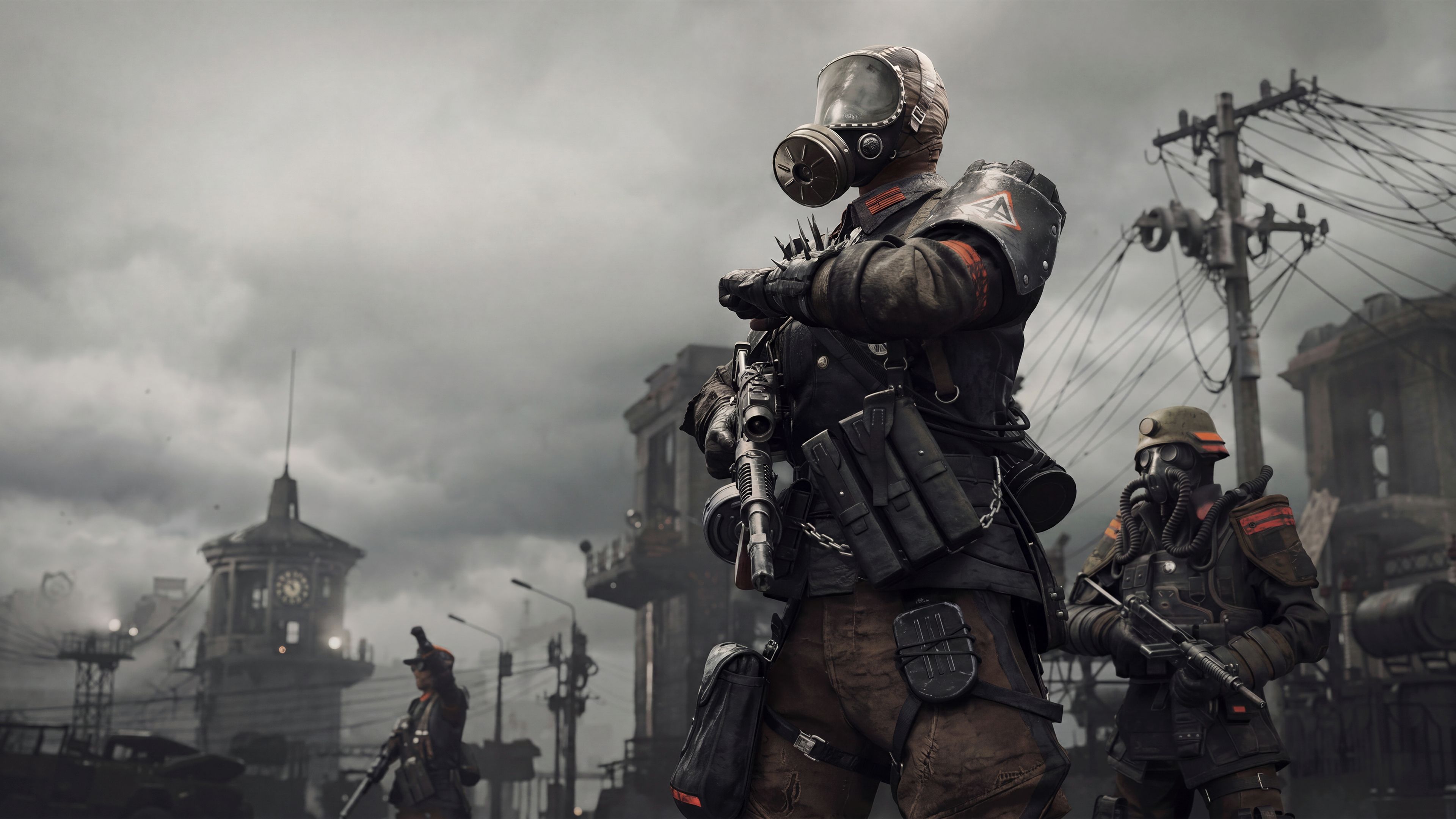
Metro 2039 is finally doing exactly that, returning to Moscow with a new protagonist and bringing plenty of familiar pieces of the series along with it. After recently going hands on with the game and then speaking with co-creative director and audio lead Pawel Ulmer and executive producer Jon Bloch, though, I don't get the impression that 4A Games sees this as some massive reversal of everything Exodus accomplished. Instead, Metro 2039 seems to be taking a much more careful approach to returning to its roots, where old mechanics are coming back when the world gives them a reason to exist again, while some of the freedom and survival systems introduced in Exodus are sticking around. Military-grade ammunition being used as currency again might be one of the smallest examples of that philosophy, but Bloch's explanation for why it's returning says quite a bit about what 4A Games believes still belongs at the heart of Metro.
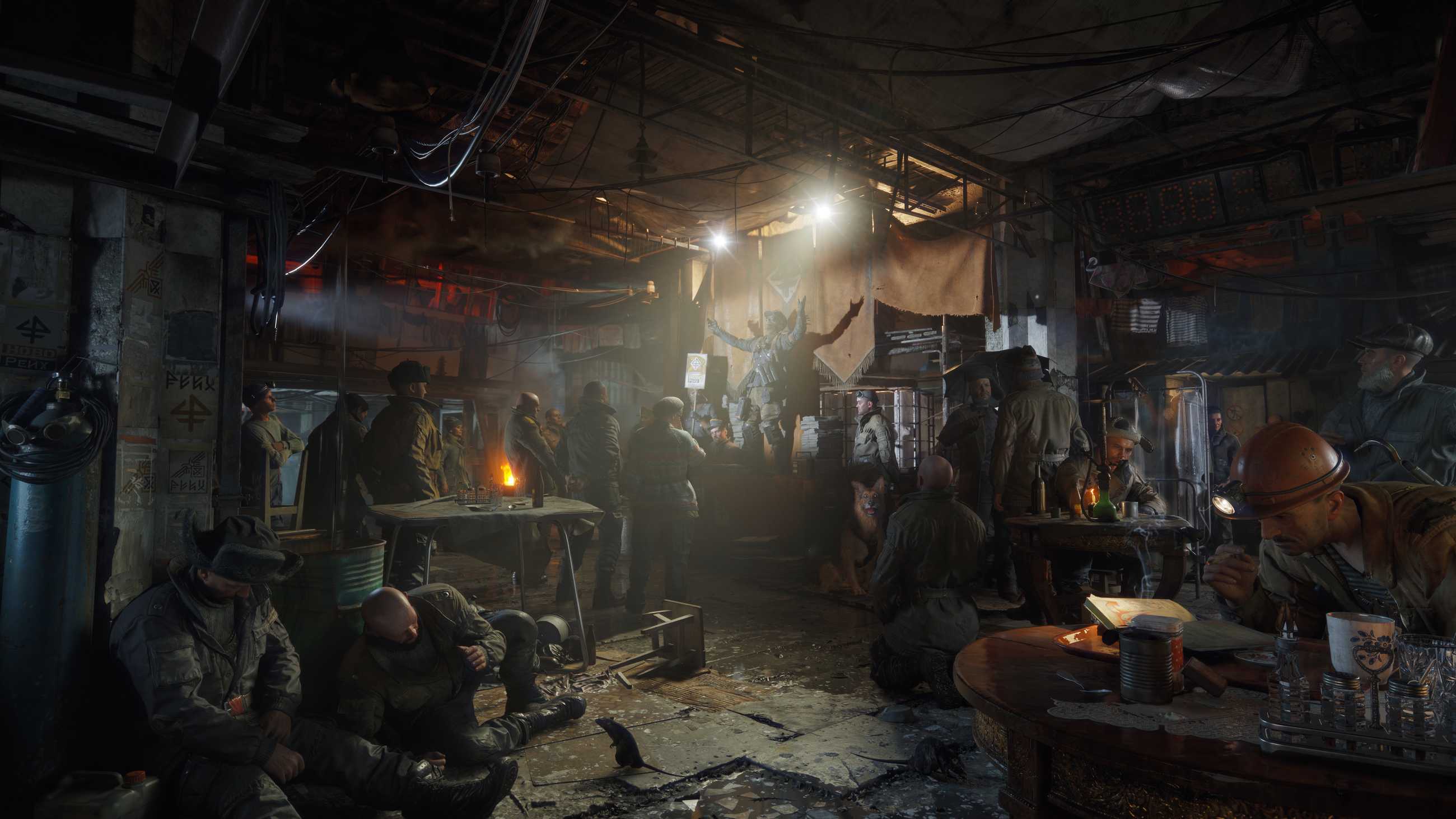
One of the easiest things for a sequel to do after experimenting with something new is run back to whatever worked before, especially when that sequel is returning to a setting people already associate with the franchise. Metro 2039 could have easily taken that route by putting players back beneath Moscow, throwing out the larger environments and mechanics from Exodus, and essentially becoming Metro 2033 again with better graphics. I might have even enjoyed that, considering how much I love the first game, but I'm glad that doesn't appear to be what 4A Games is doing.
When I asked Ulmer and Bloch whether any other games had inspired the way they were approaching Metro 2039's world, they talked instead about relying on the identity the studio has spent years establishing for itself. Ulmer explained that 4A still pays attention to what other post-apocalyptic games are doing, but the team is confident enough in what makes Metro unique that it doesn't need to look elsewhere for the foundation of its next game:
We're very much sticking to our own identity, our own uniqueness, and making sure that Metro will always stay Metro.
I think there's a pretty important difference between making sure Metro stays Metro and simply making sure Metro 2039 looks like Metro 2033. The latter would be nostalgia, whereas the former requires figuring out what actually makes this series what it is and separating that from the things that were only there because of where a particular game happened to take place. Exodus is probably the best test of that distinction because it removed one of the most obvious pieces of Metro's identity by leaving Moscow behind, yet I never stopped feeling like I was playing a Metro game. The gas mask still mattered, resources were still precious, weapons still needed attention, and curiosity still had a nasty habit of putting me in situations I probably should have avoided.
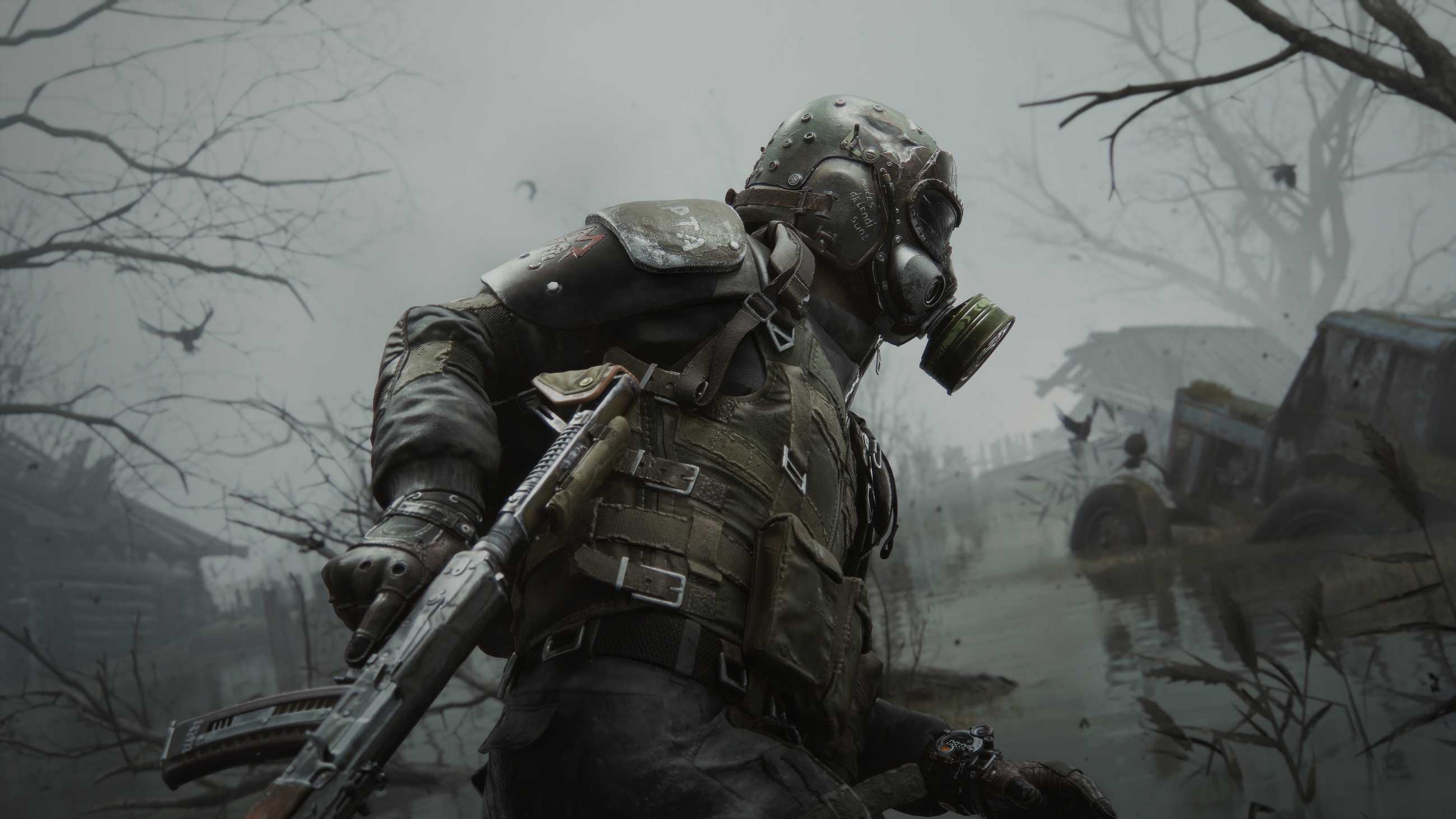
There's also something a bit more significant about returning to Moscow than simply revisiting an old location. While discussing how approachable Metro 2039's gameplay would be for newcomers, Bloch pointed out just how much history 4A Games now has with this place, both within the fiction and in the real world:
We're returning to a place where we've spent 20 years of our real lives developing the story and 20 years of players' real lives playing those stories, so there's a lot of material there. There are a lot of things that, even if they're not connected to this direct story, exist in the Metro and that we can leverage for the veteran players of the series.
سەرچاوەی فەرمی بە زمانی ئینگلیزی: https://gamerant.com/metro-2039-military-grade-ammo-currency-interview/