
مێلیسا سارنۆڤسکی نووسەری یاریکردنە لە کۆمپانیای DualShockers کە لە ساڵی ٢٠٢٢ەوە بە شێوەیەکی پیشەیی یارییەکان دەگرێتەوە، پسپۆڕە لە لیست و پێداچوونەوە و تایبەتمەندییەکان، لەگەڵ ئەزموونی زیاتر لە نووسینی ڕێنماییەکان بۆ Hardcore Gamer.
Rivage is a sci-fi puzzle game that puts you in the role of Miranda, a doctor who was selected to be part of a team that would study an exoplanet for its suitability to be humanity's new home. Of course, this doesn't go the way that they planned, and Miranda is now alone on the station without knowing what happened to the rest of her team.
You have to solve this mystery with the help of the K9 system and the ability to loop time while managing the station's low power, which means you're limited in how much you can accomplish in a single loop. It sounds simple in theory, but the puzzles in Rivage grow increasingly difficult as you progress, which I found to be delightfully frustrating. The game takes about 11–12 hours to complete, which feels like a good length to be interesting without dragging on too long.


There are two core mechanics for gameplay that the entirety of Rivage revolves around: the K9 system and looping time. I won't lie, I was disappointed to discover that the K9 system didn't involve anything related to dogs, which feels deceptive. However, without the K9, Rivage would be an unbearable game to play. That's how important it is to the puzzle mechanics.
It sounds simple in theory, but the puzzles in Rivage grow increasingly difficult as you progress, which I found to be delightfully frustrating.
The K9 system is basically an external hard drive, at least in its default state. When you uncover a password or a puzzle solution, it's saved in your K9 so you can pull it up when you need it again instead of memorizing everything or writing solutions down outside the game. It also lets you scan access cards into the system, which lets you open new areas in the station. The information in your K9 doesn't reset when you start a new loop, so it saves you from having to repeat puzzles to get what you need, which would make the game impossible to complete.
In addition to saving solutions, you can use your K9 as a flashlight and a way to take screenshots that you can pull up in-game as needed. As you progress, you find ways to upgrade your K9 to unlock other features, such as contactless access and hyperviolet light. It's a clever way to make the loop mechanic work without making it a massive chore that would likely dissuade players from wanting to keep playing. My one complaint, aside from the lack of dog-related K9 features, is that there's not some kind of notepad feature included in it. I would've gotten a lot of use from that from the beginning, which might not be surprising considering my line of work.
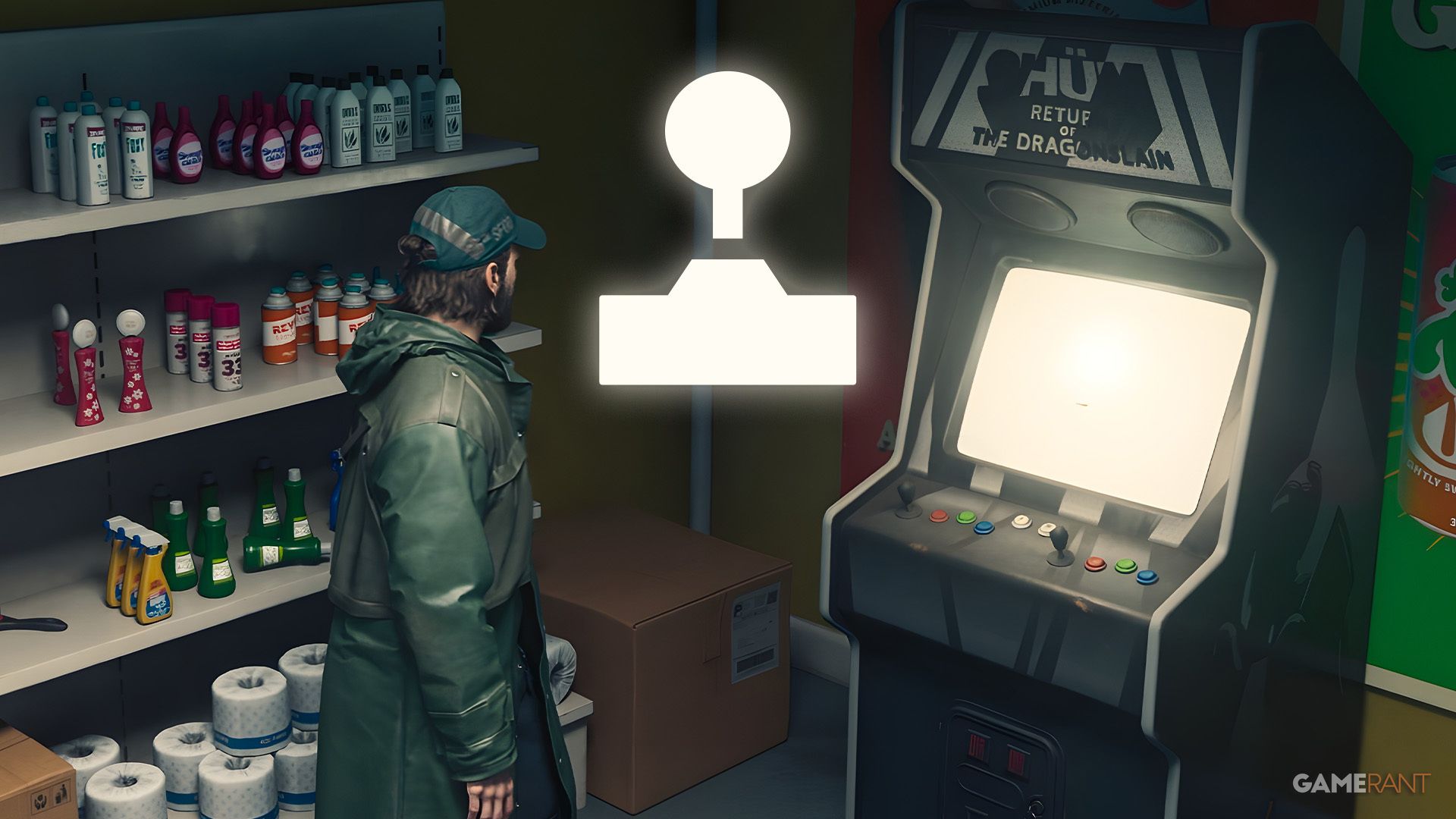
The second core mechanic is the loop. There's an arcade machine in the storage area off the kitchen that will send you back to the start of the day when you wake up in bed. You might be wondering why you need to reset time in the first place, and it's because the station has low power. You have four bars of power to use, and opening doors and other actions use at least one bar each. As you might expect, you run out of power quickly, and that means you have to go to the arcade machine and start a new loop.

سەرچاوەی فەرمی بە زمانی ئینگلیزی: https://www.dualshockers.com/rivage-review/