
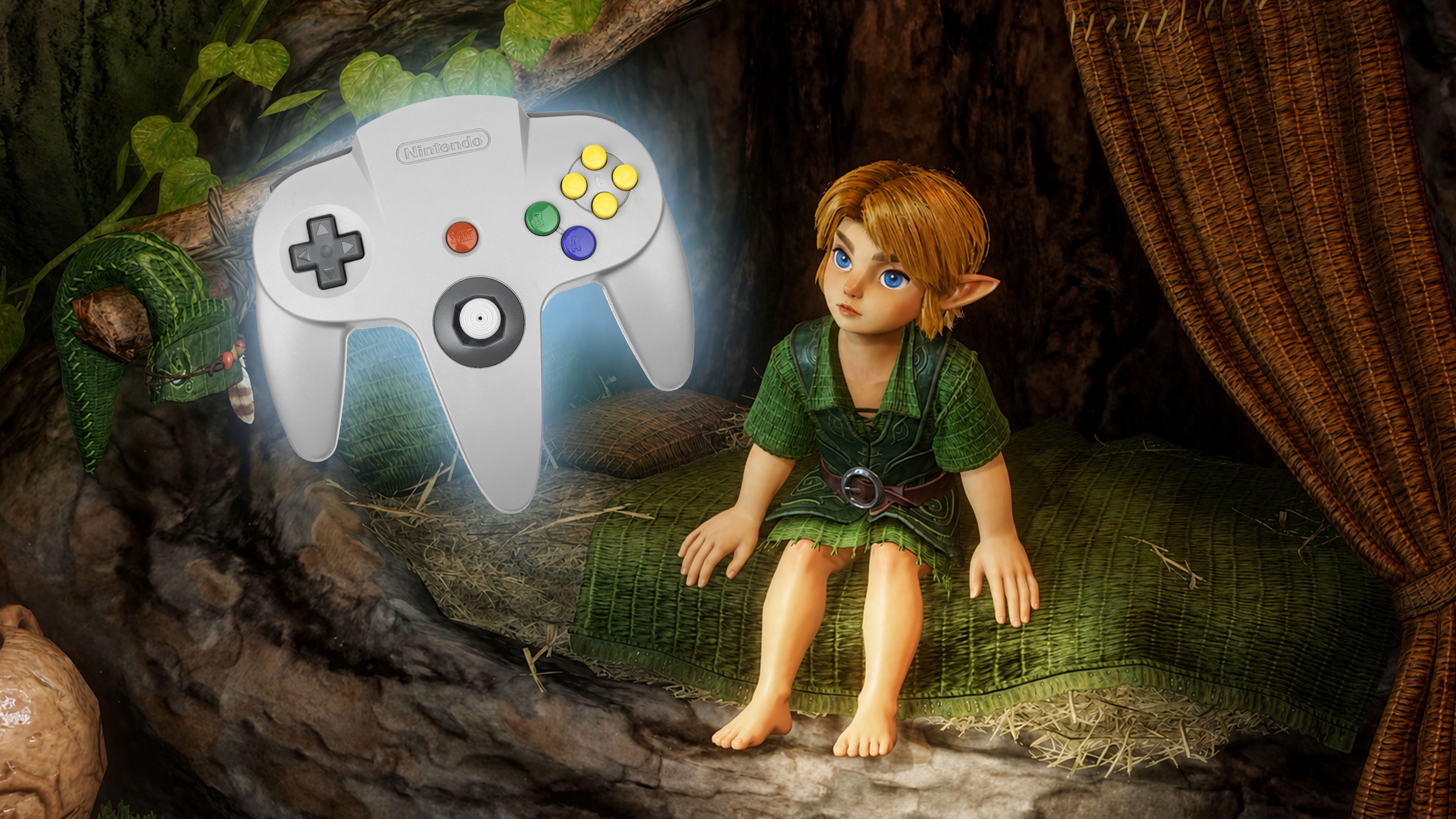
The Legend of Zelda: Ocarina of Time has been around long enough that a lot of its design has basically become inseparable from its identity. Link automatically jumps at ledges. The camera largely decides where players should be looking. Time moves differently depending on where Link happens to be. Towns, interiors, and other spaces are broken up in ways that barely register anymore because that's simply how Ocarina of Time has always worked. After nearly 30 years, those things don't necessarily feel like compromises. They just feel like Ocarina of Time.
The upcoming Ocarina of Time remake for Nintendo Switch 2 is starting to complicate that a little, though. Between its dedicated jump button, free camera, continuous day/night cycle, and reconstructed 3D environments, Nintendo is changing several things that have been part of the original game's language since 1998. None of those changes are especially dramatic on their own, but together they're starting to reveal something much more interesting about the game we all know. Some of the things we've treated as fundamental pieces of Ocarina of Time for decades may have had more to do with the way the original had to be built than with how Nintendo actually wanted Hyrule to behave.

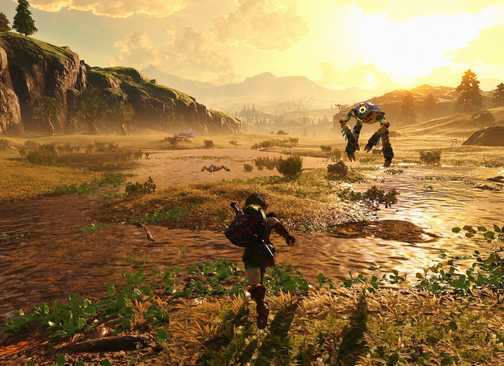
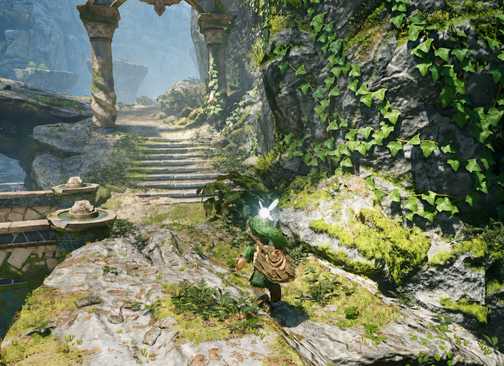
The free camera is probably the easiest place to see what I'm talking about here. The original Ocarina of Time was designed around a camera the game itself controlled far more than the player did, which naturally affected how environments were designed and how players moved through them. Z-targeting (I just can't say that now without hearing that recent viral video saying "Z-toggetin'") did a lot of the heavy lifting during combat, while exploration generally depended on the game keeping Link and whatever mattered in front of him.
کۆنسۆڵەکان بە ڕیزبەندی دروست دابنێ.
کۆنسۆڵە هەڵبژێردراوەکان لە نزمترینەوە بۆ بەرزترین ڕێکبخە.
But the remake changes all of that by giving players direct control over the camera. Now, areas that were originally designed to be seen from a fairly limited number of angles have to hold up when players can freely look behind themselves—around buildings, or into corners the original game never gave much reason to examine. Nintendo rebuilding those environments in full 3D isn't just about making Ocarina of Time prettier as a result. Rather, those spaces now have to make sense in a way they simply didn't before, because the player is no longer seeing them almost entirely on the Nintendo 64's terms.
Considering how much of Ocarina of Time was designed around making a fixed third-person camera actually work, that change alone says a lot. Z-targeting itself was born out of Nintendo trying to solve that exact problem.
I think the new jump button is interesting for a similar reason. Link's automatic jumping has always been such a basic part of Ocarina of Time that I rarely even think about it when I go back to the game. You run toward a ledge, Link jumps, and that's that. But once the remake gives players direct control over when Link jumps, it becomes much easier to notice how much of the original world's traversal was built around taking that decision away from them.
سەرچاوەی فەرمی بە زمانی ئینگلیزی: https://gamerant.com/zelda-ocarina-of-time-remake-n64-limitations-modern-gameplay/