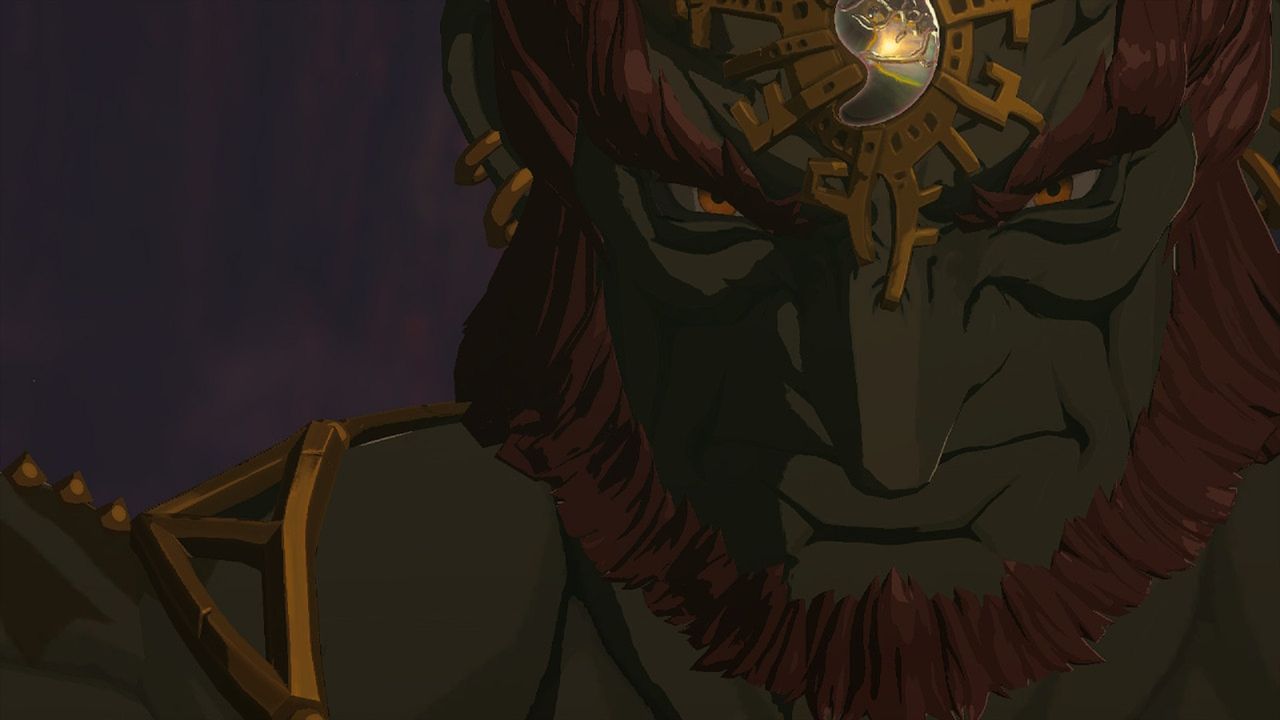
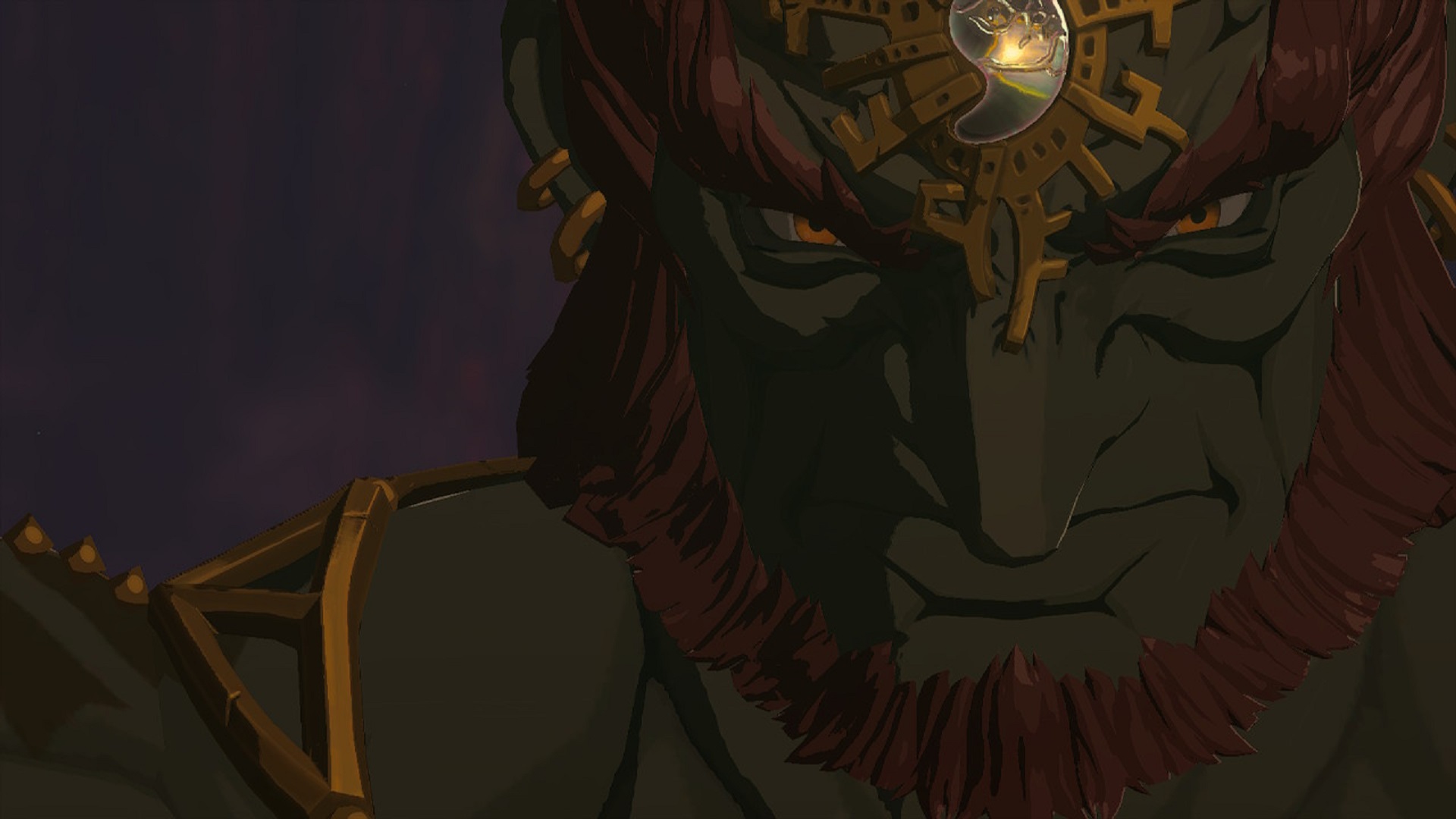
The Legend of Zelda is a video game as ritual. It's enlivened by ingenious variations from one game to the next, but Nintendo's adventures in the land of Hyrule remain absorbed in the pleasures of careful repetition. These games are curated as much as they are designed; they're gardens rather than wildernesses. And so, at the end of Breath of the Wild, the hero in green defeats Ganon, as he always does.
But wait. This is not quite accurate. At the end of Breath of the Wild - delivered via DLC - Link, the medieval adventurer, gets a motorbike. That was how this particular Zelda ended. And so that was the point at which Nintendo's designers had to decide: what comes next?
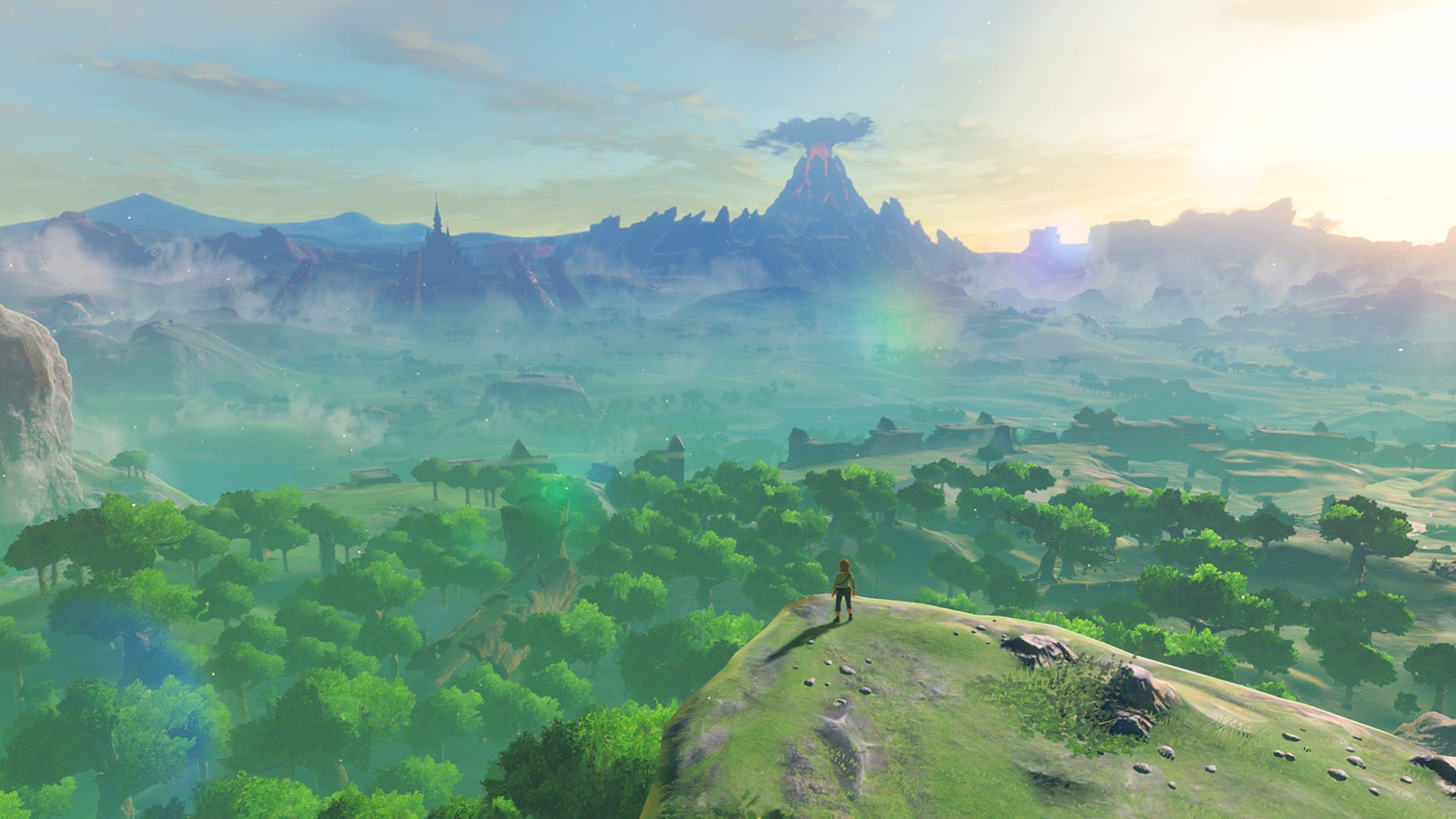
It's still hard to know what to make of that parting gift. Noisy, gravel-spitting, rebellious – a motorbike would be unthinkable in any other Zelda game. But then the very idea of DLC would be unthinkable too. How could any of these intricate clockwork worlds have room for even a single additional cog?
This was Breath of the Wild, though, the game that stripped away decades of gadgets and structural rhythms. Link may have defeated Ganon, but much of the rest of the tradition was suddenly scrambled. No more predictable plot beats. No more polite trek from one dungeon to the next, growing more powerful with each step.
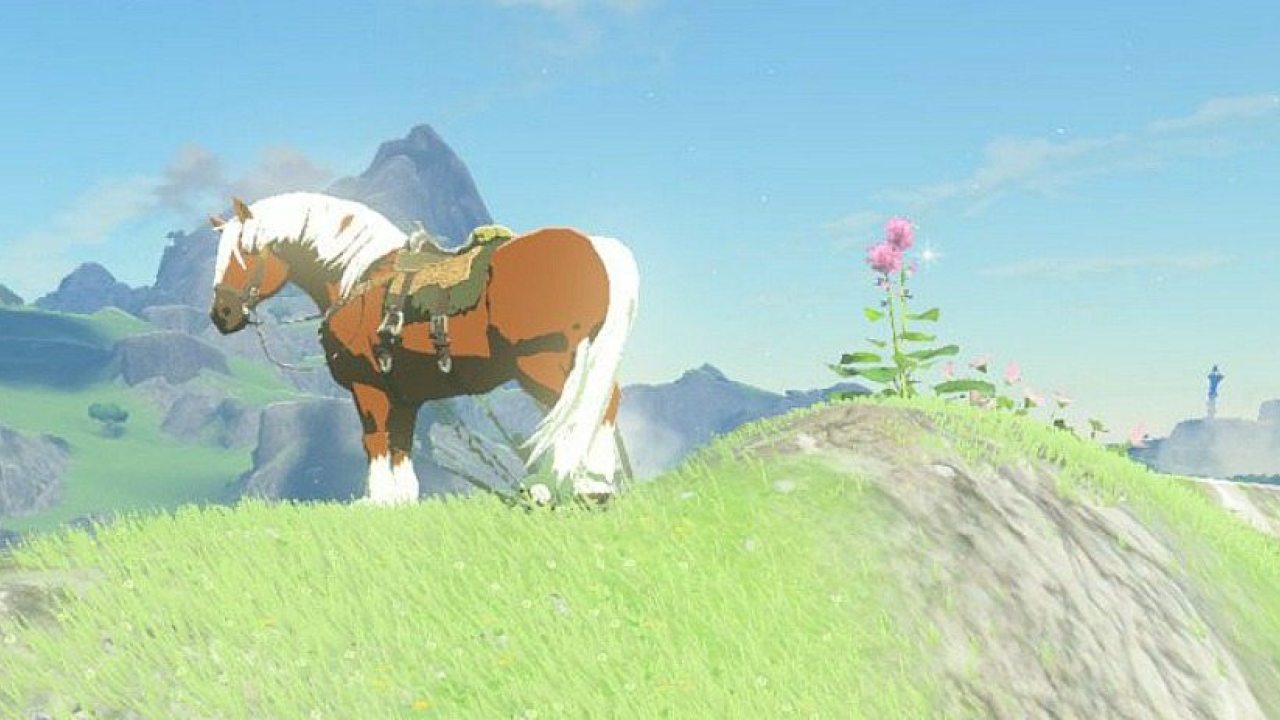
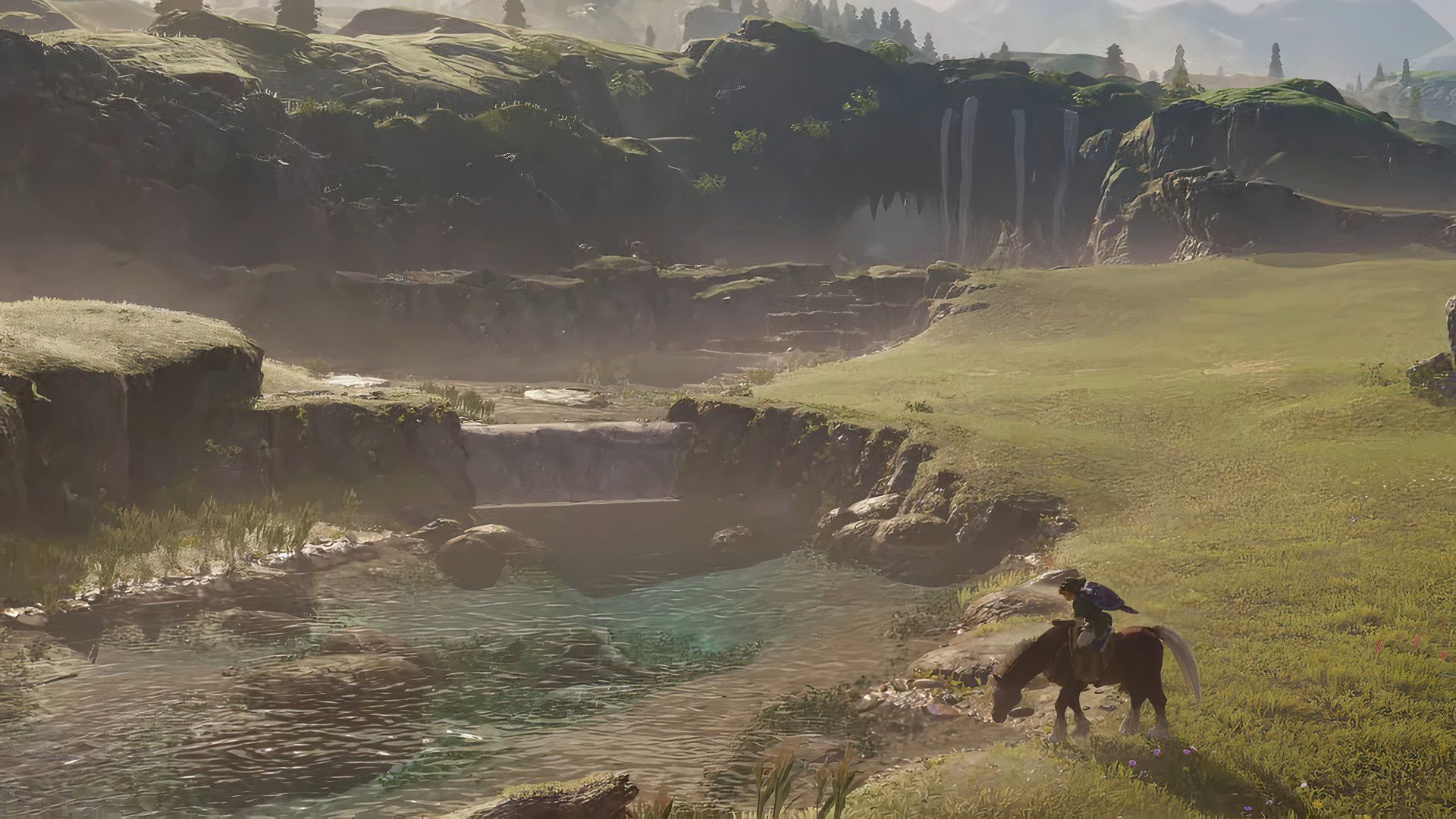
Here instead was an open-world Hyrule where the dungeons were largely secondary to the one-shot puzzle or combat Shrines scattered across the earth like a dusting of sugar on a pie. Here was a world where weapons degraded, where beloved horses could be lost forever, and where that familiar trickle of cherished items – the boomerang, the hookshot – was replaced with a handful of new powers granted at the start, and which the game would then rely upon for all its subsequent fun.
What did this mean? Up until now, Zelda had been about containment. The first game was inspired by Shigeru Miyamoto's childhood cave explorations, certainly, but it was born in a moment in which the designer was opening and closing his desk drawers and imagining a garden snug within each. Zelda offers adventuring, but always within safe boundaries.
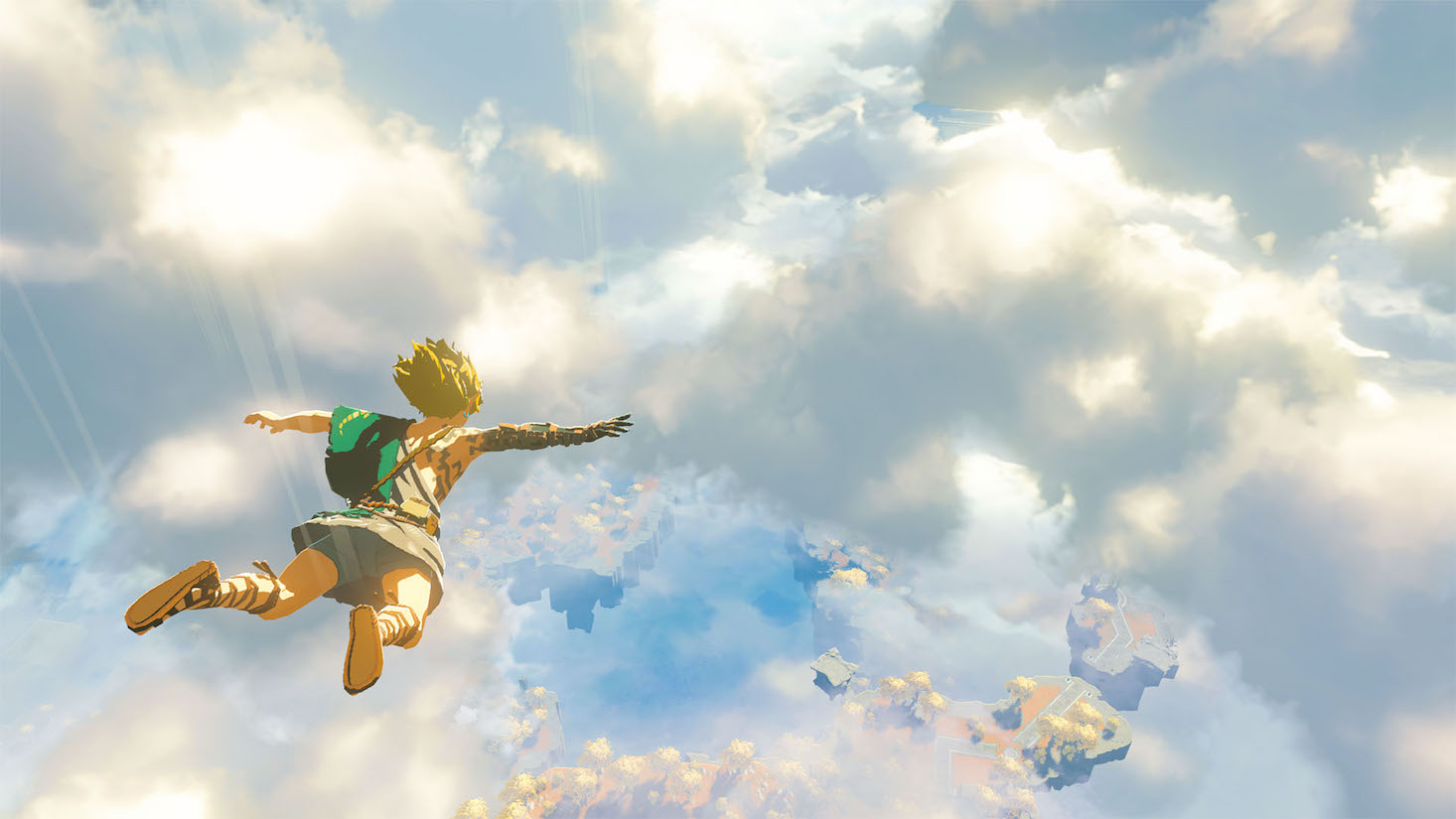
This approach lasted until Breath of the Wild, which left its players startled, unmoored. Then came the motorbike, and then things took a truly bizarre turn. Two years after the release of Breath of the Wild, it was revealed that the follow-up, Tears of the Kingdom, would reuse the same map and the same structure of Shrines, swapping out the older game's powers but otherwise offering what seemed to be more of the same. What should we make of this? Was all that reinvention just a recalibration, and would we now be back to the business of repetition and ritual again?
هەفتانە هەرسکردنەکان، چیرۆکەکانی ئەو کۆمەڵگایانەی کە خۆشت دەوێن و زۆر شتی تر
سەرچاوەی فەرمی بە زمانی ئینگلیزی: https://www.gamesradar.com/games/the-legend-of-zelda/the-depths-is-the-best-part-of-zelda-tears-of-the-kingdom-and-its-the-epitome-of-everything-zelda-as-a-series-has-been-building-to