زاکاری گرێف نووسەری لیستە لە کۆمپانیای DualShockers کە لە ساڵی ٢٠٢١ەوە بە شێوەیەکی پیشەیی یارییەکان ڕووماڵ دەکات، یاریزانێکی تەمەن درێژە و نووسەری پێشووی کەناڵی GameRant و Fix Gaming بووە، زاکاری لە سەرانسەری هەواڵ، ڕێنمایی، چاوپێکەوتن، پێشبینی، پێداچوونەوە، تایبەتمەندی، و لیستەکاندا نووسیویەتی، کە پاشخانێکی فراوانی لە ڕۆژنامەگەری یاریکردندا هێناوەتە کارەکانی.
Controversies regarding video games are rarely ever fun. We've all heard the talk that video games are too violent repeated ad nauseam despite multiple studies proving it wrong. The interactive part of video games is sometimes at war with itself as an art form, typically earning bans and starting debates when one goes a bit too far with dark topics. Company decisions are usually the reason why most games come under fire these days, but it's not always so heated and complex. Sometimes, it's just weird or interesting.
Were you around when Pokémon first started taking off? If you weren't, you completely missed the craze where some parents thought Pokémon came from the devil, eventually needing the Vatican itself to step in to cool the tide. It's a bit hilarious to look back on now, but sometimes, issues with a video game can be so strange and almost baffling. Let's take a look at some video game controversies that make you go "huh?" when you hear about them now. Or, at least, that's what I said to myself when learning about them.

I think we're all used to the subtle art of video game copycats by now. Whenever there's a highly successful game, there are usually five more that come after it a few years later, aiming to emulate that same success. There's usually a fine line with these titles where you can tell that they took the time to add their own ideas to make their game special, or they added things to make it legally distinct. Over the years, there have been a few attempts to sabotage any competition by trying to monopolize on one specific gameplay style.

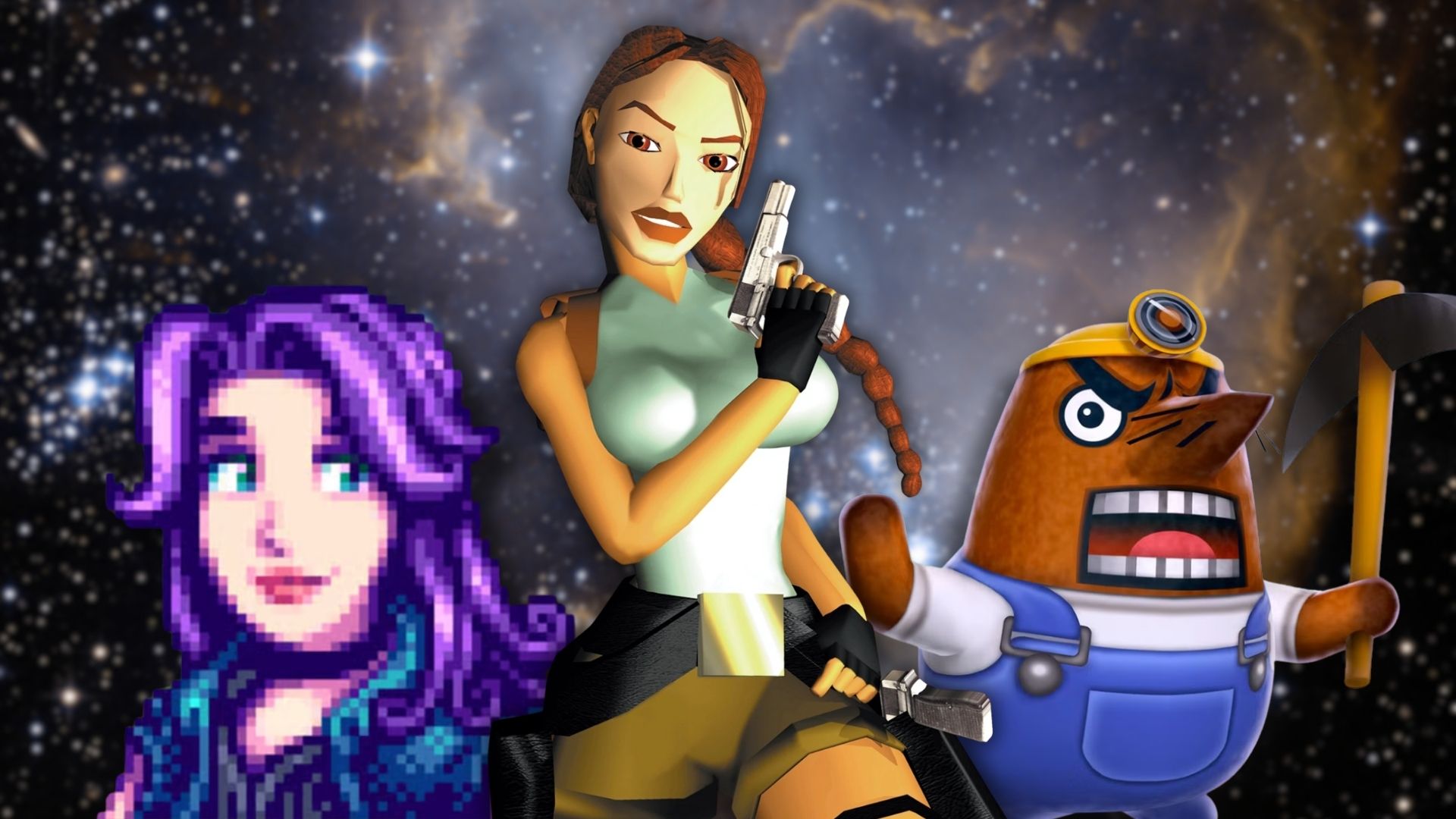
There was one part of my childhood where I remember taking advantage of my power as the player. While many youngins these days would say that the Genocide Route of Undertale taught them that sometimes the sacrifices aren't worth the extra dialogue you can get from a game, I learned that lesson with Mr. Resetti in Animal Crossing. One day, after receiving about three lectures from him because I genuinely forgot to save, I wondered what would happen if I kept going. Resetti eventually took over the camera, spoke to me directly, said he'd wipe everything, and turned my TV off. That was one of the first times I remembered being scared because of my actions in a video game.
After I made sure my town was safe and I got the adrenaline out of my system, I saved regularly to not earn Resetti's ire anymore. I wasn't the only person genuinely scared by this moment, though. Animal Crossing's developers have said that they've received letters saying that not only Mr. Resetti, but the general villagers from the first few games were so rude that they would make children cry. As a long-time Animal Crossing player, it's interesting to know why the game's sanded down its social aspects overtime. I still wish a few villagers would get mad at me for not talking to them for a while, but at least Mr. Resetti's blood pressure isn't a problem anymore.

There's a chance you've long heard about the issues with Harvest Moon by now. If not, as a quick recap, the Japanese owners of the original Harvest Moon IP decided to allow its own subsidiary to translate the games in 2014. Natsume Inc, the original localizers, held legal rights to the Harvest Moon name and decided to keep them. Natsume has been releasing subpar games under Harvest Moon for a while now, while the original games have been titled Story of Seasons.
It's old news, but some people still get confused by this distinction whenever Story of Seasons rereleases what used to be a classic Harvest Moon game. While it's true that the newer Harvest Moon games fail to deliver on the same quality the series had put out before the switch, developmental changes and company purchases have made it hard to really define what a "true" Harvest Moon game is. Even the original creator, Yasuhiro Wada, left before this switch-up took place. What a true Harvest Moon game is really depends on the player these days, and that makes it even more difficult to define.

سەرچاوەی فەرمی بە زمانی ئینگلیزی: https://www.dualshockers.com/games-with-strange-controversies-behind-them/