مادی بەشداربووە لە DualShockers کە JRPGs، ترسناکییەکانی مانەوە، یارییەکانی ئارکێد، یاریکردنی ڕیتڕۆ، تەقەکەر و تایبەتمەندییەکان دەگرێتەوە. لە ساڵی ٢٠١١ەوە بە شێوەیەکی پیشەیی لەسەر یارییەکان دەنووسێت، زیاتر لە دە ساڵ ئەزموونی هەیە لە سەرانسەری لیستەکان، پێداچوونەوەکان، ڕێنماییەکان و ڕۆژنامەگەری یارییەکان.
During the 1990s, home console hardware was in the middle of what would become a seismic shift. 2D video games ruled the roost during the 1970s, 80s and beginning of the 90s, but the proliferation of 3D technology and PC accelerator cards changed the entire state of the industry. What was already possible in arcades, thanks to high-end arcade boards from the likes of Sega and Capcom, was on its way to the home market.
When it came to forging the power of those arcade boards for a home console, however, only one hardware developer was competent enough to find a way to make that maniacal crossover work. Sega's history in the arcade business proved useful as they entered the sixth-generation of game consoles, and they would need all the help they could get considering they were competing with not just Sony and Nintendo, but newcomer Microsoft as well.
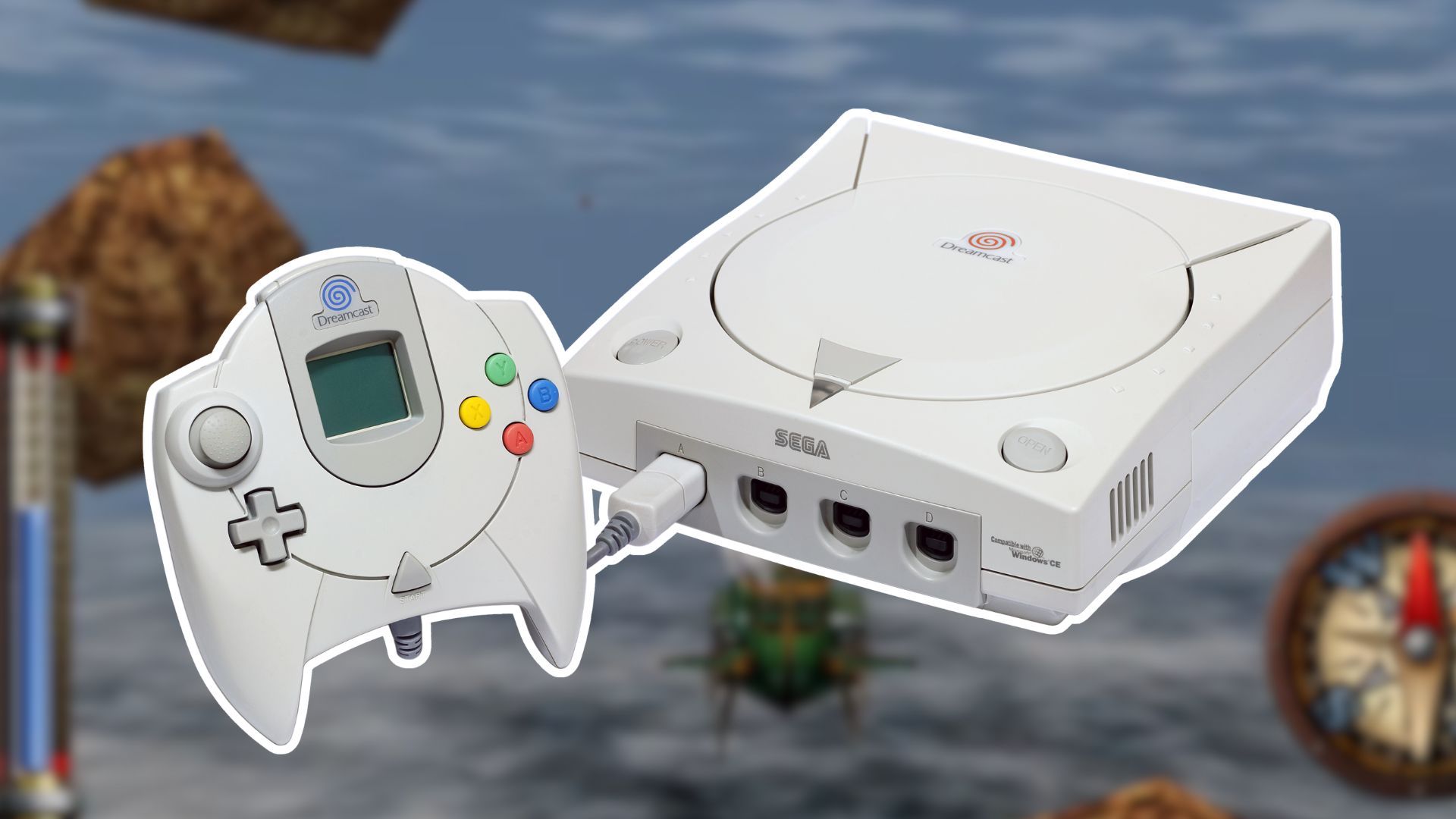
Utilizing elements of a top-end arcade board known as NAOMI, which stood for New Arcade Machine Operation Idea, Sega found a way to give their next-gen system an edge. In 1999, they were the first ones to enter the sixth-generation with the launch of the Sega Dreamcast, and over the course of the next several years, would create a legacy that still lives on today, in spite of how unfortunate the ending of the tale was.

During the 1990s, no conflict in video games matched the raw, intense war for the hearts of home console gamers than the clash between Sega and Nintendo. After Nintendo grabbed hold of a struggling North American market in a post-1983 video game crash world, their competition was practically non-existent. That is, until Sega entered the home console business with their own dedicated machine known as the Master System.
Nintendo and Sega would engage in one of the most epic console wars of all time, letting their respective mascots of Mario and Sonic do all the heavy lifting. Despite a few key victories, Sega's home console trajectory slowly declined as the decade wore on. No matter how hard they tried, it was simply impossible for Sega to keep up with Nintendo's infinite pool of money and resources. It's often stated that Nintendo could have ten failing years and still be one of the richest companies in Japan. Honestly, try competing with that.

Sega didn't give up, however, and launched the Saturn in 1995, only now with more consoles to compete with. Sony entered the hardware business with the original PlayStation following a dispute with Nintendo, which left Sega struggling to find its identity in the home console industry. Competing with not just one, but two of Japan's most influential companies was an uphill battle, but as ever, Sega soldiered on.
Despite their best efforts, the Sega Saturn saw hugely decreasing sales for the entirety of its existence. After 1996, the console saw a sharp decline in sales, with a lifetime total of less than ten million. By the time Sega had moved on to their next console's development, Sony and Nintendo's fifth-generation hardware had sold over one-hundred million total units, proving just how far behind they were.


سەرچاوەی فەرمی بە زمانی ئینگلیزی: https://www.dualshockers.com/the-life-and-times-of-the-sega-dreamcast/